Tesla Closes Arizona Wrongful Death Case Over Full Self-Driving Pedestrian Fatality
The 2023 incident marked the first known pedestrian death linked to Tesla's automated driving suite and triggered a federal probe into visibility limitations.
A Settlement Without Disclosure
Tesla has resolved a wrongful death lawsuit connected to a 2023 crash in Arizona that killed a pedestrian while the company's Full Self-Driving system was active. The settlement terms remain confidential, continuing a pattern in which the automaker closes high-profile litigation without public accountability for the financial or technical details.
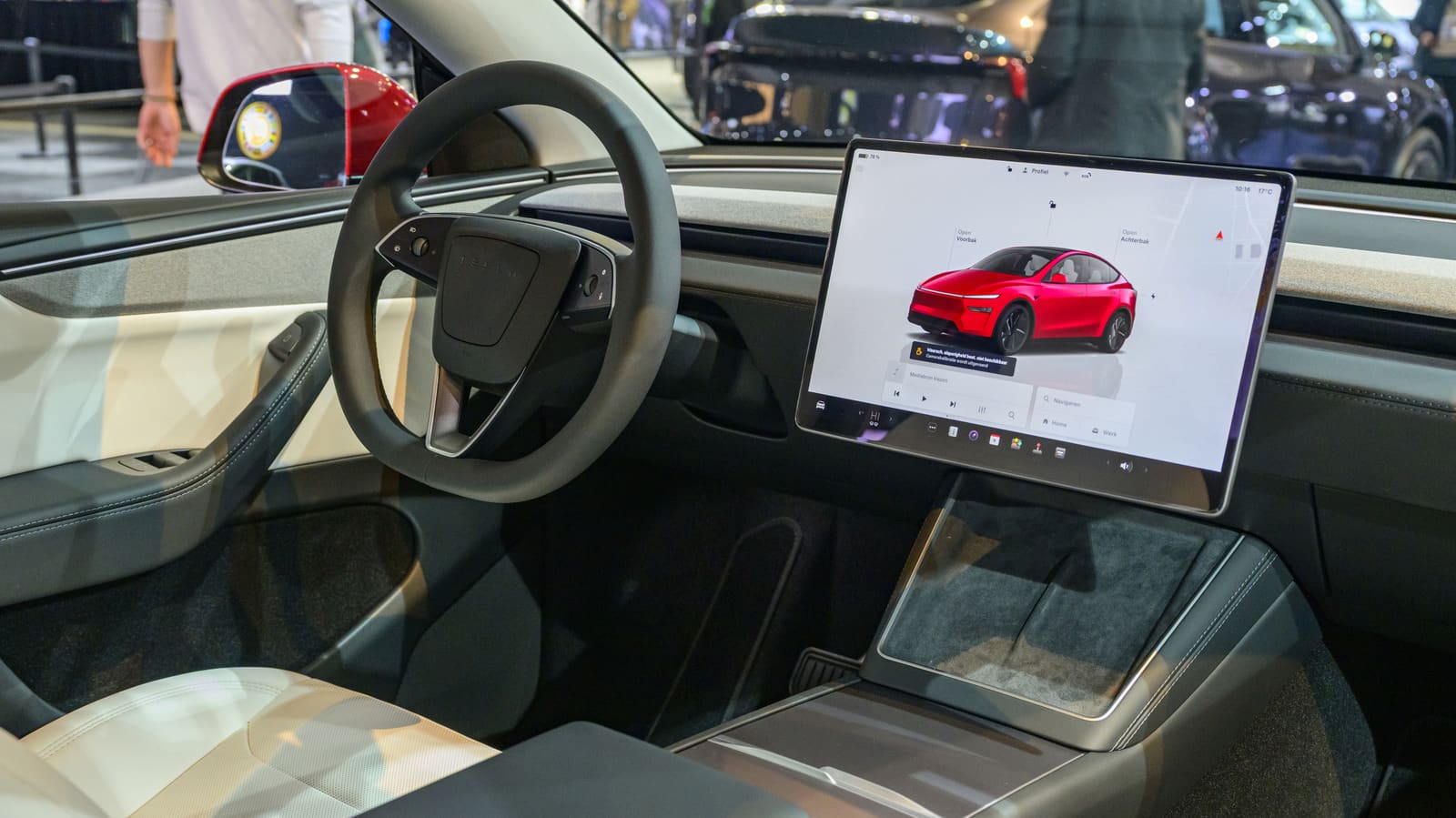
The victim, 71-year-old Johna Story, was struck and killed after she exited her vehicle to help manage traffic around an earlier collision caused by sun glare. A Tesla Model Y operating under Full Self-Driving hit her. Story's family filed suit later that year, arguing the technology failed to detect and stop for a vulnerable road user in conditions the system should have been able to handle.
At DailyTechWire, we've tracked Tesla's legal exposure around driver assistance for years. This case stands apart because it represents the first documented pedestrian fatality attributed to Full Self-Driving, the more advanced tier of Tesla's automation suite. Previous incidents and lawsuits have centered on Autopilot, the company's lower-tier system, and typically involved vehicle-to-vehicle crashes or single-vehicle collisions with road infrastructure.
Federal Scrutiny Over Visibility Limits
The Arizona fatality also drew attention from the National Highway Traffic Safety Administration, which opened an investigation into how Full Self-Driving performs when visibility is compromised. Sun glare, fog, heavy rain, and low-light conditions have long been known weak points for camera-based perception systems, which Tesla relies on exclusively after removing radar and ultrasonic sensors from its hardware suite.
The federal probe examined whether Full Self-Driving's vision architecture could reliably identify pedestrians and obstacles when ambient light overwhelms camera sensors or creates high-contrast shadows. While the investigation's findings have not been made public, the settlement suggests Tesla opted to avoid a trial that would have brought internal safety data and engineering decisions into open court.
The rebranding of Full Self-Driving to Full Self-Driving (Supervised) occurred after this incident, a move that added a parenthetical qualifier emphasizing the need for active driver monitoring. Critics have argued the original name misled consumers into believing the system could operate autonomously, a capability Tesla does not claim in regulatory filings but has not always clarified in marketing materials.
A Pattern of Private Resolution
Tesla has settled multiple wrongful death and injury cases tied to its driver assistance features over the past several years, typically without disclosing financial terms or admitting fault. One prominent case involved a Model X driver who died after the vehicle, operating under Autopilot, collided with a highway median. That family's lawsuit was also resolved privately.
The strategy allows Tesla to avoid protracted litigation and the risk of jury verdicts that could set precedent or generate damaging testimony. However, it also limits public understanding of how often these systems fail, under what conditions, and whether design choices, software updates, or inadequate driver warnings played a role.
A new wrongful death lawsuit filed in June 2025 involves a Model 3 crash that killed a woman earlier that month. The family alleges an automated driving assistance system was in use at the time, though specifics about which feature and the circumstances of the crash have not been detailed in public filings.
Liability Architecture in an Unregulated Space
Tesla's approach to automation sits in a regulatory gray zone. Full Self-Driving (Supervised) is classified as a Society of Automotive Engineers Level 2 system, meaning the human driver retains full responsibility for vehicle control and must remain attentive at all times. Yet the system's capabilities, marketed as enabling navigation from highway on-ramp to parking lot without driver input, blur the practical line between assistance and autonomy.
This classification shields Tesla from the stricter safety validation requirements that would apply to Level 3 or Level 4 systems, where the vehicle assumes conditional or high control and manufacturers bear greater liability. At the same time, it places the burden of system failures on drivers, even when those failures occur in scenarios the marketing suggests the system can handle.
The Arizona case illustrates the tension. Story was not the driver of the Tesla; she was a bystander managing a traffic situation created by environmental conditions. The Model Y's driver, presumably monitoring the system as required, either failed to intervene or was unable to do so in time. Whether the system provided adequate warning, how quickly it should have detected Story, and what the driver was doing in the moments before impact are questions the settlement leaves unanswered.
Implications for Camera-Only Perception
Tesla's decision to rely solely on cameras for environmental sensing, eschewing lidar and even the radar it once included, has been both a cost advantage and a technical gamble. Cameras are cheap and provide rich visual data, but they struggle in precisely the conditions the NHTSA investigation targeted: glare, darkness, precipitation, and occlusion.
Competitors developing automated driving systems, particularly in China and among Western legacy automakers, have largely adopted sensor fusion strategies that combine cameras with radar or lidar to provide redundancy. These architectures are more expensive and complex, but they reduce the likelihood of catastrophic perception failures in edge cases.
The Arizona crash occurred in a scenario that sensor fusion might have mitigated. Radar can detect objects through glare and does not rely on visible light. Lidar provides precise distance measurement independent of lighting conditions. Whether those technologies would have saved Story's life is unknowable, but the incident underscores the risks of a vision-only stack when the system is deployed on public roads with minimal regulatory oversight.
The Cost of Closed Settlements
Tesla's preference for private settlements accelerates case closure and limits financial exposure, but it also denies regulators, engineers, and the public detailed post-incident data that could inform safety improvements across the industry. In aviation, crash investigations are public and exhaustive, generating lessons that benefit all manufacturers. In automotive automation, the opposite norm prevails.
The family of Johna Story has secured compensation, but the broader questions raised by her death remain unresolved. How often does Full Self-Driving fail to detect pedestrians in poor visibility? What driver warnings were issued, and how effective are they? Are there software updates that could reduce similar risks, and if so, when will they deploy?
Without transparency, each new lawsuit becomes an isolated data point rather than part of a systemic learning process. As automated driving features proliferate and more automakers deploy Level 2+ systems, the case for mandatory incident disclosure and independent safety audits grows stronger. Tesla's legal strategy, while defensible from a business standpoint, leaves the public with less information than the technology's risks demand.