Roku Pushes Streaming Hardware Prices Up by as Much as 60 Percent
The Silicon Valley streamer has quietly updated its website with sharply higher MSRPs across its entire stick and box lineup, signaling a strategic bet on services over subsidized hardware.
The Price Jump
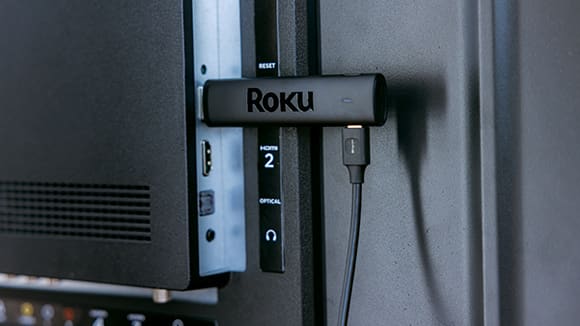
Roku has implemented significant price increases across its streaming hardware lineup, with the flagship Ultra model now carrying a $150 price tag compared to its previous $100 MSRP. The company's website reflects the new pricing structure, though current inventory remains available at the older rates, now labeled as "sale prices."
The Streaming Stick 4K has seen the steepest percentage increase, climbing from $50 to $80. The entry-level Streaming Stick now sits at $40, up from $30, while the Streaming Stick Plus has moved from $40 to $60. The Streambar SE, which combines streaming functionality with soundbar capabilities, has also jumped from $100 to $150.
Even bundled offerings have not been spared. A package that pairs the Streaming Stick Plus with a one-month Fox One subscription previously listed at $60 with a promotional price of $25 in mid-July. That same bundle now carries an $80 MSRP with a $45 sale price, according to archived web data.
Hardware Economics Under Pressure
The move reflects mounting pressure on Roku's traditional business model. For years, the company has treated hardware as a gateway, pricing devices competitively to build an installed base that generates recurring revenue through advertising, subscriptions, and platform fees. That strategy has made Roku a dominant force in the North American streaming market, but it depends on volume and thin margins.
Rising component costs, persistent supply chain friction, and a maturing market have likely compressed those margins further. At DailyTechWire, we've tracked similar dynamics across consumer electronics: companies that once subsidized hardware to capture platform revenue are now recalibrating as growth slows and cost structures shift.
Roku's decision to raise prices rather than maintain subsidy levels suggests the company believes its platform lock-in is strong enough to absorb the hit to unit sales. Users already embedded in the Roku ecosystem face switching costs, particularly those who have purchased content or built viewing habits around the interface.
The Competitive Landscape
The timing is notable. Amazon continues to price its Fire TV sticks aggressively, often discounting them below $25 during promotional windows. Google's Chromecast lineup occupies a similar price band. Apple TV remains a premium offering, but its pricing has stayed relatively stable.
Roku's new MSRPs push its mid-tier and high-end devices closer to Apple TV territory without offering the same integration with a broader ecosystem of services and devices. The Ultra, now at $150, sits just $30 below the Apple TV 4K's starting price. That proximity raises questions about how Roku will differentiate on value when hardware alone no longer carries a clear cost advantage.
Regional dynamics also matter. While Roku has expanded internationally, its footprint remains concentrated in the United States and parts of Latin America. Competitors like Xiaomi and Realme dominate price-sensitive markets in Asia with ultra-affordable Android TV boxes. Roku's price increases further limit its ability to compete in those regions, reinforcing its reliance on North American revenue streams.
What This Signals About Platform Strategy
The price hike aligns with Roku's broader pivot toward services and advertising. The company has been aggressively building out its ad-supported streaming channel, licensing content, and investing in measurement tools for advertisers. Platform revenue has consistently outpaced hardware sales in recent quarters, and the gap is widening.
By raising hardware prices, Roku is effectively asking new users to pay more upfront to access its ecosystem. That works if the platform delivers enough value through content discovery, interface simplicity, and advertising-supported free content. But it also narrows the funnel, potentially slowing new user acquisition at a time when streaming penetration in the U.S. is approaching saturation.
The company may also be testing price elasticity. If demand holds at these new levels, Roku improves its hardware economics without sacrificing platform growth. If sales soften, the company can reintroduce promotional pricing or discounts, using the higher MSRP as an anchor.
The Broader Trend
Roku is not alone in rethinking hardware subsidies. We've seen similar recalibrations across smart home devices, wearables, and connected fitness equipment. Companies that once prioritized user acquisition over profitability are now under pressure from investors to demonstrate sustainable unit economics.
The shift is particularly pronounced in the streaming space, where content costs have soared and competition for attention has intensified. Hardware was once a cheap way to capture a living room screen. Now, it's a margin question. Roku's price increases suggest the company is betting that its installed base and platform stickiness are strong enough to support a less aggressive hardware strategy.
For consumers, the calculus has changed. A $50 streaming stick was an impulse purchase. An $80 device requires more deliberation, especially when alternatives remain cheaper. Roku will need to lean harder on its content offerings, user experience, and brand loyalty to justify the premium.
What Comes Next
Roku has not publicly commented on the rationale behind the price changes, and the company declined to provide guidance on whether further adjustments are planned. The current sale pricing offers a temporary buffer, but once inventory at the old MSRPs is exhausted, the full impact on consumer behavior will become clear.
The company's next earnings report will be closely watched. Investors will want to see whether higher prices translate into improved hardware margins without significantly dragging down shipment volumes. Platform metrics, particularly active account growth and average revenue per user, will also be scrutinized.
In the meantime, the move underscores a fundamental tension in the streaming hardware business: how much subsidy is necessary to grow a platform, and when does that subsidy become unsustainable? Roku's answer, at least for now, is that the subsidy can shrink. Whether the market agrees remains to be seen.