Raspberry Pi OS Ships Linux 6.18 LTS in a Build That Refuses to Rebrand
The foundation's latest OS release jumps from kernel 6.12 to 6.18 but keeps the same version label, while its lightweight x86 Desktop edition quietly ages into obsolescence.
A Kernel Leap Without the Fanfare
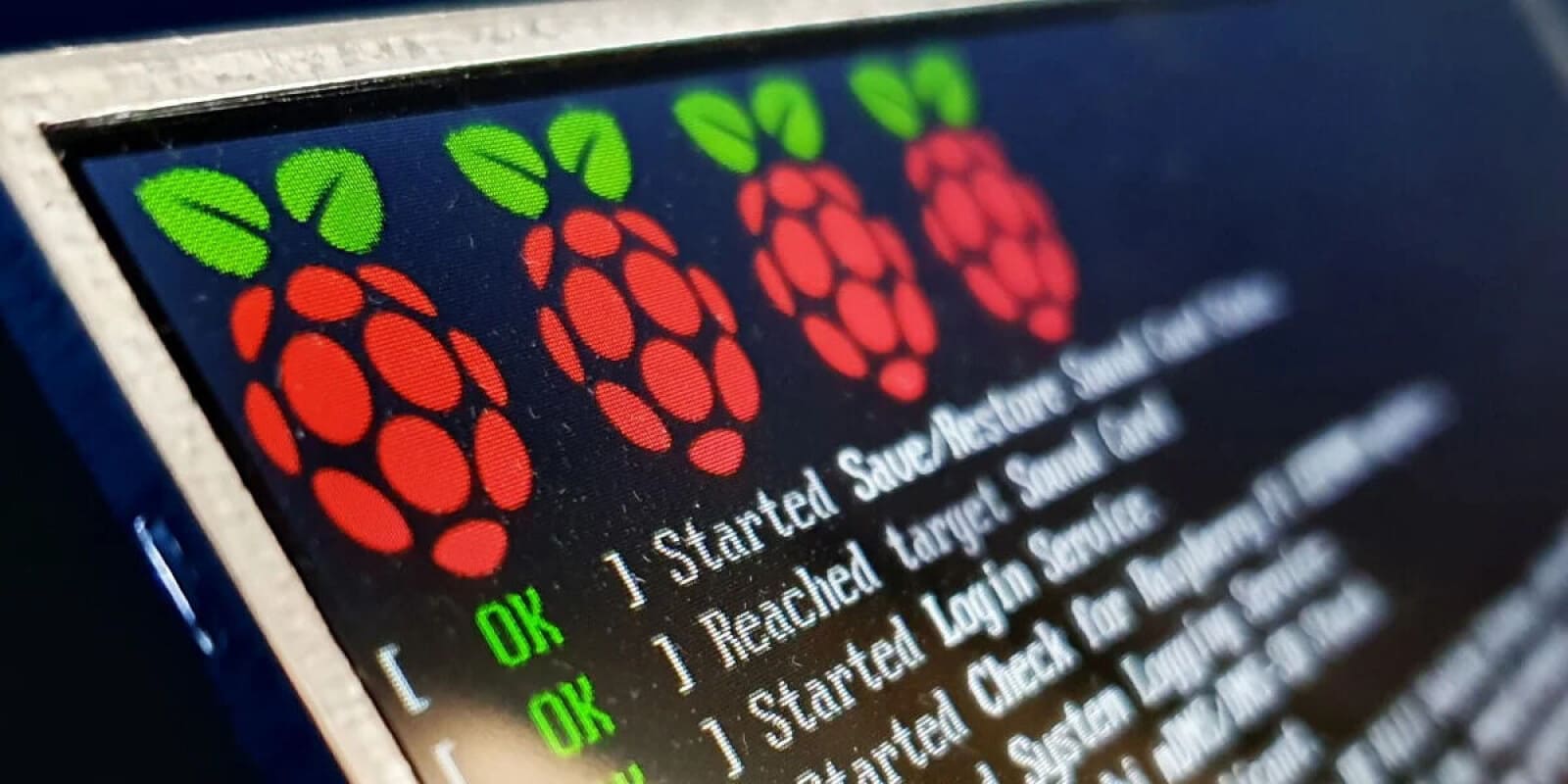
Raspberry Pi OS delivered a substantial under-the-hood change in its June 18 build: the operating system now runs Linux kernel 6.18.34, a jump from version 6.12.75. Yet the version number displayed on the splash screen remains locked at 6.2, the designation assigned during a minor security patch in April. The foundation appends each update to a single release notes file it has maintained for 13 years, a practice that tracks changes but sidesteps the semantic versioning conventions most distributions follow.
At DailyTechWire, we've watched open-source projects across Asia and beyond wrestle with versioning discipline as they balance rapid iteration against user clarity. The choice to ship a new long-term support kernel without incrementing the user-facing version string underscores a tension many maintainers face: technical milestones do not always align with marketing or communication rhythms.
Linux 6.18 achieved LTS status in November within days of release, making it a logical anchor for a board that ships tens of millions of units annually into education, embedded, and hobbyist environments. The kernel update brings the usual mix of hardware enablement patches, security hardening, and scheduler tweaks, though performance shifts remain modest enough that most users will not notice day-to-day differences in responsiveness.
Wayland Consolidation and Icon Refreshes
The current iteration of Raspberry Pi OS defaults to the labwc Wayland compositor, blended with components inherited from LXDE, including the file manager and a forked panel called lxpanel-pi. This release advances labwc from version 0.9.2 to 0.9.7, refining window management behavior and gesture handling. Users who prefer X11 can still revert to an Openbox session, though doing so disables Raspberry Pi Connect, the foundation's Wayland-dependent remote desktop tool introduced two years ago.
The update also refreshes application icons for LibreOffice, Geany, Xarchiver, and the Eye of MATE image viewer. The lxpanel-pi fork now supports icon scaling from 16×16 pixels up to 48×48 pixels, a small ergonomic win for high-DPI displays and accessibility configurations. A test upgrade on a Raspberry Pi 5 from the January image proceeded without errors, and idle memory consumption under X11 held steady at approximately 560 MB, a figure that remains competitive against most contemporary desktop Linux distributions.
The x86 Edition Left Behind
Raspberry Pi Desktop, the foundation's x86-compatible spin for legacy PCs, has not seen a refresh since 2022. The latest available download still targets Debian 11, which reaches end-of-life on August 31, 2026. That puts the x86 edition roughly four years behind the ARM variant and leaves it exposed as upstream security support winds down.
The timing is awkward. Windows 10 support ends in October 2025, though Microsoft recently extended its paid Extended Security Updates program for another year. Windows 11 enforces TPM 2.0 and specific CPU generation requirements that exclude machines built before 2018, creating a cohort of still-functional hardware that cannot upgrade without bypassing official channels. Simultaneously, RAM and storage prices have climbed as manufacturers prioritize high-margin AI server components, raising the cost of extending the life of older PCs through memory upgrades.
Lightweight Linux distributions exist in abundance, but few combine simplicity, familiarity, and low resource overhead in a single package. Alpine Linux delivers sub-200 MB memory footprints but demands command-line comfort for installation and dual-boot configuration. Adélie Linux shows promise but remains in beta with no stable release since late 2024. BunsenLabs Carbon and Crunchbang++ appeal to enthusiasts willing to navigate tiling window managers and text-based configuration, but they present steep learning curves for users migrating from Windows or macOS.
A Gap in the Lightweight Desktop Market
The Raspberry Pi Desktop once occupied a valuable niche: a distribution that installed as easily as Ubuntu, consumed as little memory as specialist minimalist builds, and presented a layout immediately recognizable to anyone familiar with Windows taskbar conventions. It ran comfortably on machines with 3 GB of DDR2 RAM and mechanical hard drives, the kind of hardware that still populates schools, small offices, and home offices across emerging markets.
Modern Ubuntu now recommends 6 GB of RAM, a threshold that excludes a significant installed base. GNOME and KDE Plasma offer polish and features but demand GPU acceleration and memory headroom that older integrated graphics and DDR2 systems cannot provide. The gap between featherweight distributions aimed at advanced users and mainstream offerings that assume recent hardware continues to widen.
A refreshed Raspberry Pi Desktop built on Debian 13 and incorporating the labwc Wayland stack would address that gap directly. The foundation's track record with ARM optimization and driver integration suggests it could deliver a build that balances modern security practices with the resource discipline required for legacy x86 hardware. Whether that effort aligns with the foundation's strategic priorities remains unclear, particularly as it expands silicon design efforts and navigates supply chain pressures in the post-pandemic semiconductor landscape.
Broader Implications for Lifecycle Management
The divergence between the ARM and x86 editions of Raspberry Pi OS illustrates a recurring challenge in open-source distribution maintenance: secondary targets often drift as primary platforms consume available engineering bandwidth. The foundation's core business revolves around ARM single-board computers, and x86 Desktop represents a side project without direct revenue linkage.
Yet the broader ecosystem would benefit from a credible, easy-to-deploy lightweight desktop option. E-waste reduction policies in the European Union and extended producer responsibility regulations in several Asian jurisdictions create incentives to extend device lifespans, but software support remains the binding constraint for most end users. A distribution that runs well on decade-old hardware and installs without specialized knowledge could reduce disposal cycles and lower the total cost of computing for educational institutions and budget-constrained users.
The foundation's decision to maintain a single, continuously appended release notes file rather than discrete versioned changelogs reflects a pragmatic approach to documentation, but it also obscures the significance of updates like the kernel jump to 6.18. Clear versioning communicates stability and helps users assess upgrade risk, especially in environments where image deployment happens at scale. The mismatch between internal build dates and user-facing version labels introduces friction for administrators tracking deployments across fleets of devices.
Forward Paths
Raspberry Pi OS remains one of the most polished ARM Linux distributions, balancing accessibility with configurability. The shift to Wayland as the default compositor positions the platform for long-term graphics stack evolution, even as X11 compatibility persists for legacy workflows. The kernel update to 6.18 LTS ensures security and hardware support through at least 2028, aligning the distribution with enterprise LTS cycles.
The x86 Desktop question is less settled. If the foundation lacks the capacity to maintain the x86 variant, opening the build scripts and configuration tooling to community contributors could sustain the project without imposing ongoing internal overhead. Alternatively, partnering with a distribution already focused on resource-constrained environments, such as antiX or Puppy Linux, could bring Raspberry Pi's user experience polish to a broader hardware base without duplicating infrastructure.
For now, the ARM edition advances steadily, kernel updates flow, and the version number stays put. The x86 edition waits.