Netflix Closes Night School Studio Six Weeks After Unhinged Launch
The streaming giant praised the Oxenfree developer's "solid numbers" in July before shuttering its first gaming acquisition and slashing staff across its interactive division.
A Sudden Reversal
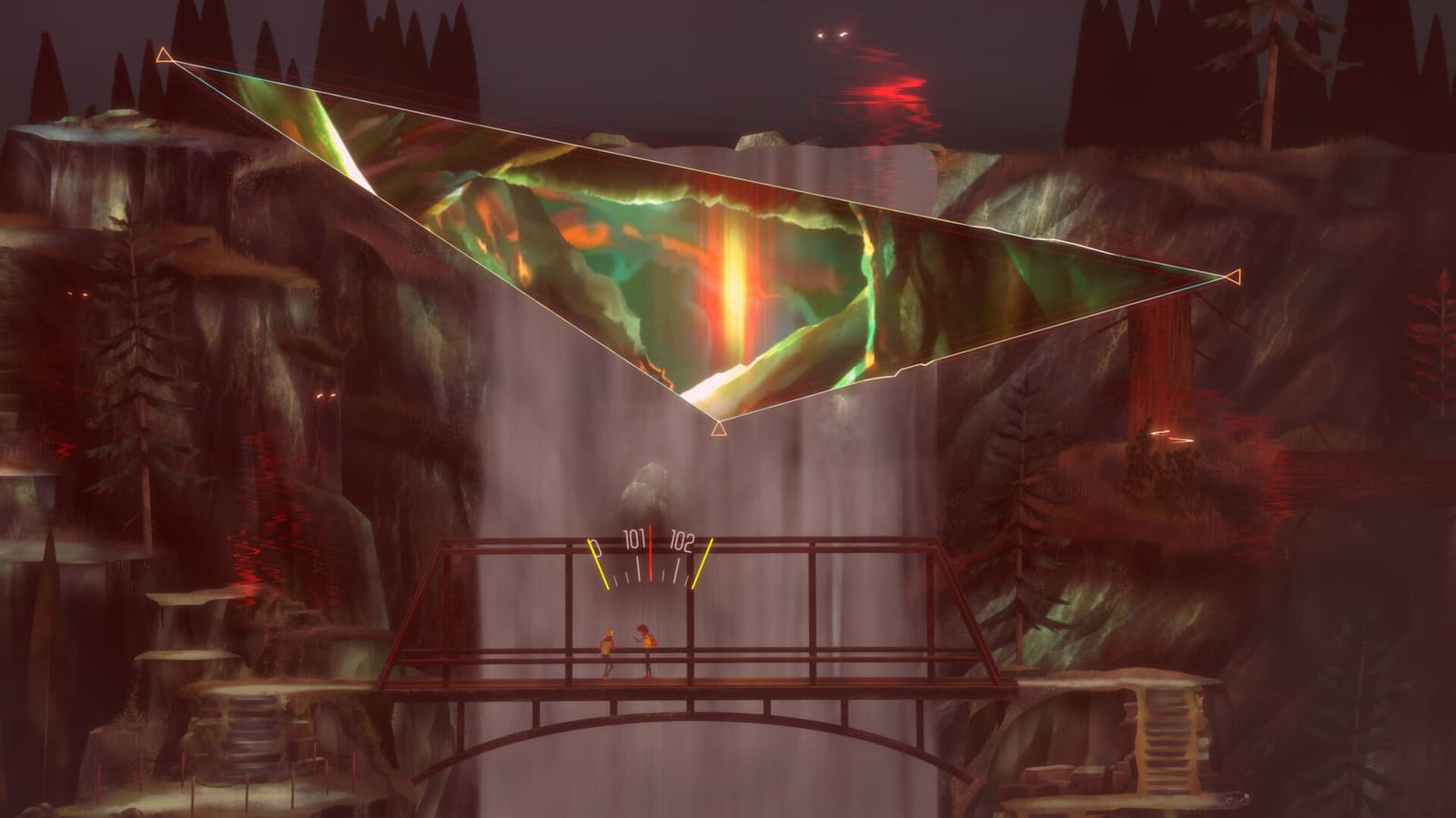
Netflix has closed Night School Studio, the independent developer behind the cult narrative game Oxenfree, approximately six weeks after the team's latest title Unhinged debuted on the streaming platform. The closure arrives as part of a broader restructuring that also eliminates Helsinki-based Moonloot Games and cuts an undisclosed number of positions from Netflix's internal games division.
The timing stands out. During Netflix's second-quarter earnings call in mid-July, co-CEO Gregory Peters singled out Unhinged alongside the platform's FIFA World Cup title as evidence of momentum in the company's cloud gaming strategy. Peters described both as the service's "two most successful cloud game debuts" with performance numbers that placed them "in the top tier" for Netflix's gaming catalog.
At DailyTechWire, we've tracked Netflix's gaming experiments since the initiative launched in 2021, and the gap between public praise and private decision-making here is unusually narrow, even by the standards of an industry prone to abrupt course corrections.
The Acquisition That Wasn't
Netflix acquired Night School in September 2021, making it the first studio purchase in what would become a rapid expansion across interactive entertainment. The deal came months after Netflix announced plans to enter gaming, positioning the move as a way to deepen subscriber engagement without charging separately for game access.
Under Netflix ownership, Night School shipped Oxenfree II: Lost Signals, a narrative adventure that launched in 32 languages simultaneously, a Black Mirror tie-in app called Thronglets, and most recently Unhinged, a smartphone-controlled horror experience designed for the streaming platform's cloud infrastructure.
The studio's co-founders, Sean Krankel and Adam Hines, spoke publicly in mid-2023 about the benefits of Netflix's resources. The acquisition enabled the team to expand headcount, relocate into Netflix office space, and fly remote workers to central hubs when collaboration demanded it. Both founders emphasized that Netflix had preserved the studio's creative autonomy, a concern rooted in their prior experience at larger organizations where decision layers often diluted original vision.
A Pattern Emerges
Night School's closure follows a consistent trajectory across Netflix's gaming portfolio. The company also plans to shut down Moonloot Games, an internal mobile studio it established in September 2022 to develop original titles. With these two closures, Netflix has now dismantled or divested nearly all of the studios it assembled during its 2021-2024 expansion phase.
Spry Fox, the studio behind Cozy Grove, managed to negotiate a buyback and continues operating independently. Boss Fight Entertainment and other acquisitions have either been sold or wound down. The sole survivors within Netflix's gaming organization are Next Games, a Helsinki team focused on couch-based multiplayer experiences, and Netflix Games Studio, a publishing arm that primarily brokers deals with third-party developers rather than building titles in-house.
The company's stated rationale centers on prioritization: Netflix will now focus on kids' games, party titles, narrative experiences, and what it describes as mainstream releases. That framing raises questions about where Night School's narrative-driven work and Moonloot's mobile projects failed to align, especially given the public endorsement Unhinged received just weeks earlier.
Third-Party Turbulence
The FIFA World Cup title that Peters highlighted during the earnings call carries its own complications. Refactor Games, the external studio that developed the soccer game for Netflix, laid off 85 percent of its workforce in early August. The cuts followed reports that Refactor's parent company, Delphi Interactive, withdrew funding shortly after the game launched in June.
The collapse at Refactor underscores a broader risk in Netflix's pivot toward third-party partnerships. While external studios allow the platform to scale content production without maintaining large permanent teams, they also introduce dependencies on funding structures and business models Netflix cannot directly control. When a partner studio loses its financial backing, the content pipeline stalls regardless of how well a title performs on Netflix's platform.
Leadership and Strategic Drift
Netflix brought in Alain Tascan, a former Epic Games executive, to lead its games business in 2024. Since Tascan's arrival, the division has undergone a marked shift away from owned studios and toward licensing agreements and co-development arrangements. The initial vision, articulated in 2021 and 2022, emphasized building proprietary IP and cultivating talent in-house. The current approach treats gaming more as a content category to be curated than a vertical to be developed.
The contradiction between Peters's July comments and the August closures suggests internal strategy debates may still be unresolved. If Unhinged and FIFA World Cup represented the company's strongest cloud game launches, it's unclear what performance threshold Netflix expects its gaming division to meet, or whether the bar has shifted as broader subscriber growth dynamics have evolved.
Asia Context and Broader Implications
Netflix's gaming pullback contrasts with the trajectory of regional competitors. Seoul-based platforms like Kakao and Naver continue to invest in game development and publishing as core pillars of their ecosystems, viewing interactive content as a retention lever that compounds over time. Singapore's Sea Limited, despite its own cost discipline, has maintained its Garena gaming unit as a cash-generating anchor even while trimming e-commerce and fintech bets.
The difference may lie in how these companies model gaming's return profile. Asian platform operators often treat games as long-cycle assets that build network effects and habitual engagement. Netflix appears to be evaluating gaming on a shorter time horizon, closer to how it assesses individual film or series performance rather than platform infrastructure.
For independent studios across the region, Night School's arc offers a cautionary data point. Acquisition by a well-capitalized platform does not guarantee stability if the parent company's strategic priorities remain in flux. Founders weighing offers from non-endemic gaming acquirers now have another reference case in which resources and public praise proved insufficient to sustain a studio through a single executive transition.
What Remains
Netflix's gaming operation now consists primarily of Next Games and the publishing-focused Netflix Games Studio. The latter has recently added streamable party titles including Overcooked! All You Can Eat and several Jackbox releases, content that requires minimal original development and leverages existing IP with proven multiplayer appeal.
This model reduces capital intensity and aligns with Netflix's existing competency in content licensing. It also narrows the company's ambition in interactive entertainment. The original thesis, one that Krankel and Hines bought into in 2021, envisioned Netflix as a home for distinctive narrative-driven games that could benefit from the platform's global reach and subscriber base. The current direction suggests Netflix has decided that ambition carries more risk than the company is willing to absorb.
For Night School's team, the closure arrives after three years of integration and output that met the performance criteria Netflix's own executives articulated publicly. Whether the decision reflects broader cost discipline, a pivot in content strategy, or internal politics beyond the founders' control, the result is the same: another independent studio absorbed and then dissolved, its catalog now part of a larger platform's legacy library.