A Hong Kong Startup Is Building GPU Infrastructure Around Chinese AI Models
Antimatter is betting that open-weight systems from China can power a cloud alternative to Western incumbents - and that enterprises will follow the economics.
The Infrastructure Play Behind Open-Weight Economics
At DailyTechWire, we've tracked the steady migration of inference workloads from proprietary Western models to open-weight alternatives across Southeast Asia and the Gulf over the past eighteen months. Now a Hong Kong-based company is placing a billion-dollar bet that this shift will reshape not just model choice, but the entire cloud stack beneath it.
Antimatter, founded in early 2025, is building what it calls a "neo-cloud" platform designed specifically to serve Chinese open-weight models. The pitch is straightforward: enterprises frustrated by the cost and lock-in of hyperscaler infrastructure can move to a system optimized for models like DeepSeek, Qwen, and Yi - and cut their inference bills in half.
The company's thesis rests on two assumptions. First, that open-weight models from China now match or exceed the performance of closed systems from OpenAI and Anthropic on a growing range of tasks. Second, that the cloud infrastructure sold by AWS, Azure, and Google Cloud was architected for a different generation of models - and that a purpose-built alternative can unlock significant cost and latency advantages.
Whether that thesis holds will determine whether Antimatter becomes a regional player or a cautionary tale in the crowded GPU-as-a-service market.
Why Enterprises Are Reconsidering Their AI Stack
The appeal of Chinese open-weight models is no longer theoretical. Over the past year, systems trained and released by Alibaba Cloud, Baidu, and startups like DeepSeek have consistently punched above their weight class in multilingual reasoning, code generation, and domain-specific fine-tuning. For companies operating in Asia, the performance gap with GPT-4 or Claude has narrowed to the point where cost becomes the deciding factor.
And the cost difference is substantial. Running inference on a 70-billion-parameter open-weight model through a self-managed cluster or a specialized provider can be 40 to 60 percent cheaper than equivalent API calls to OpenAI or Anthropic. For high-volume use cases - customer service bots, content moderation, document analysis - that margin compounds quickly.
But switching models is only half the equation. Most enterprises today run their AI workloads on infrastructure originally designed for training large models or serving proprietary APIs. That means paying for flexibility and scale they don't need, and absorbing latency penalties from architectures not optimized for the specific memory and compute patterns of open-weight inference.
Antimatter's pitch is that it can strip out that overhead. By building a stack from the ground up around the models enterprises actually want to run, the company claims it can deliver better price-performance than the hyperscalers - and better reliability than cobbling together spot instances on generic GPU clouds.
The Neo-Cloud Model and Its Precedents
The term "neo-cloud" is borrowed from CoreWeave, the US-based GPU infrastructure provider that went from crypto mining also-ran to $19 billion valuation in less than three years. CoreWeave's model was to buy up Nvidia GPUs in bulk, build highly optimized inference clusters, and rent them out to AI companies that needed performance without the overhead of AWS or Azure.
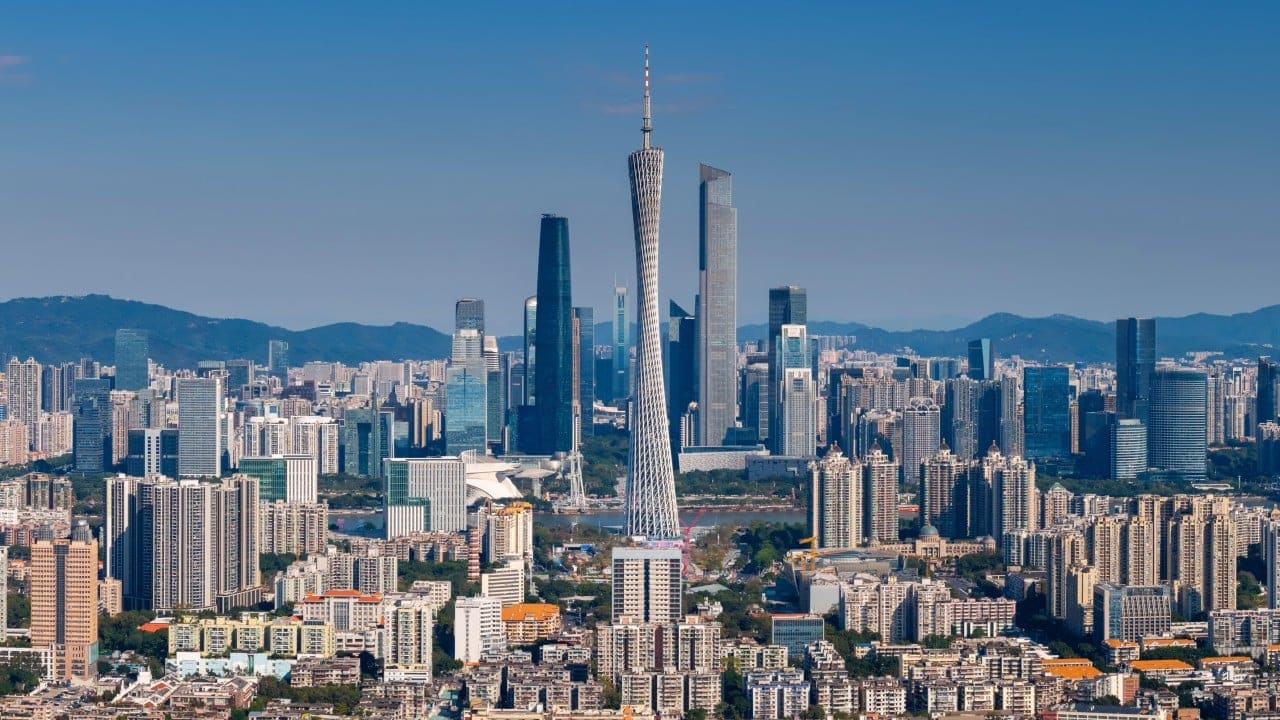
Antimatter is attempting the same playbook, but with a regional twist. Instead of serving US-based AI labs and SaaS companies, it is targeting enterprises across Asia and the Middle East that want to deploy Chinese models but lack the in-house expertise or capital to build their own GPU clusters.
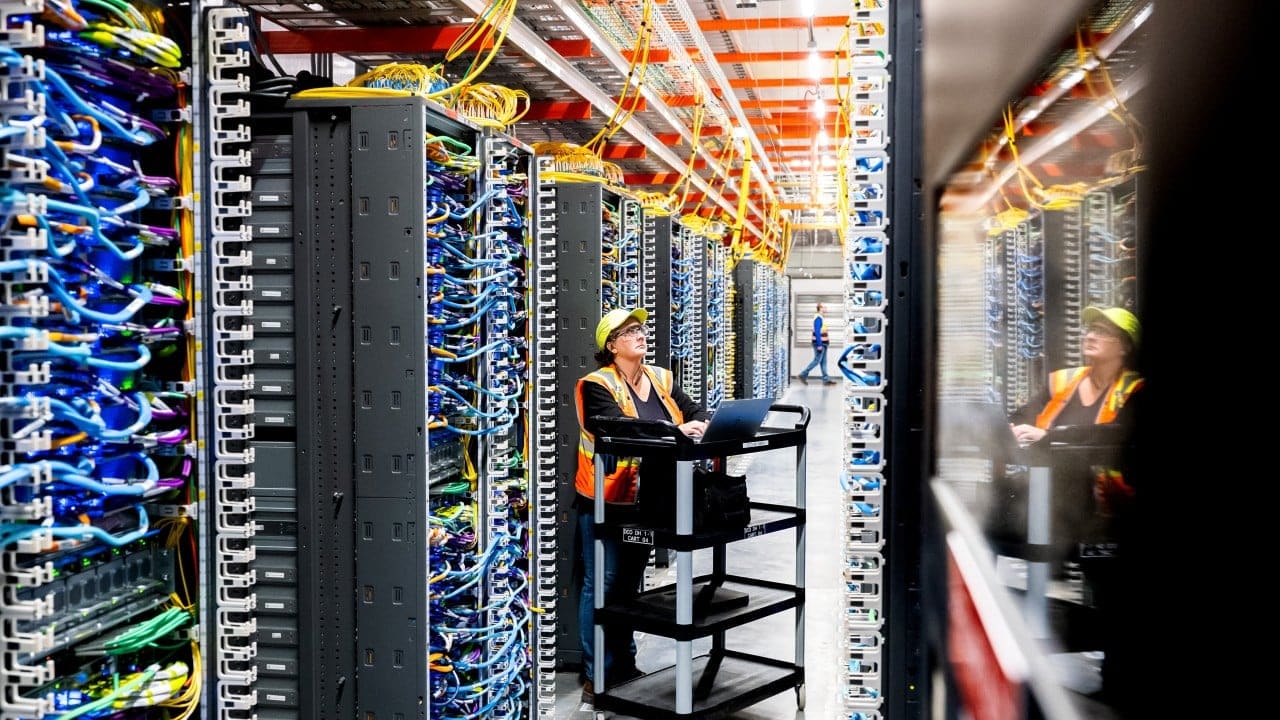
The company has not disclosed the size of its initial GPU fleet, but industry observers estimate it is in the range of several thousand H100 and A100 cards, sourced through distributors in Hong Kong and Singapore. That puts it well behind CoreWeave's scale, but potentially ahead of regional competitors still operating on smaller clusters or reselling capacity from hyperscalers.
The real differentiation, if Antimatter can deliver it, will be in software. Running open-weight models efficiently requires careful tuning of quantization, batching, and memory management - variables that change depending on the model architecture and the workload. A neo-cloud provider that can abstract that complexity away, while still giving customers control over latency and cost, has a legitimate value proposition.
Risks in the GPU Supply Chain and Geopolitics
The most obvious risk for Antimatter is supply. US export controls on advanced GPUs to China and Hong Kong have tightened repeatedly over the past two years, and while the company is based in Hong Kong and can theoretically access chips through non-Chinese distributors, the regulatory landscape remains uncertain.
If Washington expands restrictions to cover Hong Kong-based data centers serving Chinese customers, or if Nvidia's next-generation chips are subject to stricter licensing, Antimatter's ability to scale could be severely constrained. The company is reportedly exploring partnerships with non-US chip designers, but no alternative to Nvidia's H100 or H200 currently offers comparable performance for large-model inference.
Geopolitics aside, there is also the question of model durability. Open-weight models from China have improved rapidly, but they are not static. If a new generation of proprietary models from OpenAI or Google significantly outperforms today's open-weight systems, enterprises may reverse course - especially if the cost gap narrows due to better optimization on the hyperscaler side.
And then there is competition. CoreWeave, Lambda Labs, and a dozen other GPU cloud providers are all expanding into Asia. Hyperscalers are not standing still either; AWS and Google Cloud have both launched inference-optimized instances in the past year, and are aggressively pricing them to retain AI workloads. Antimatter will need to move fast to lock in customers before the market consolidates.
What Success Looks Like for a Regional GPU Play
For Antimatter to reach the billion-dollar valuation it is reportedly targeting in its next funding round, it will need to do more than just rent GPUs cheaply. The company will need to build sticky relationships with enterprises, offering managed fine-tuning, model versioning, and compliance tooling that make switching costs high.
It will also need to prove that its infrastructure can scale reliably. One of the lessons from CoreWeave's rise is that uptime and latency matter as much as cost. If Antimatter's clusters suffer outages or fail to deliver consistent performance, customers will return to the hyperscalers regardless of the price difference.
The other path to success is vertical integration. If Antimatter can sign long-term contracts with Chinese model developers - becoming the de facto deployment platform for new releases from Alibaba, Baidu, or Tencent - it could build a moat that generic GPU clouds cannot replicate. That would require deeper partnerships than most infrastructure providers have historically pursued, but the economics of open-weight models may make such arrangements more feasible.
In the near term, the company's fate will hinge on execution. The GPU infrastructure market in Asia is still nascent, and there is room for a well-capitalized, technically competent player to carve out a defensible position. Whether Antimatter becomes that player, or whether it ends up as a footnote in the CoreWeave story, will depend on how quickly it can turn its thesis into revenue - and how long the current tailwinds behind Chinese AI models continue to blow.