Google Schedules Evening Pixel 11 Unveiling for August 12
The Mountain View giant breaks from tradition with a 6PM ET start time as component costs and potential price hikes loom over the flagship launch.
An Unusual Time Slot Signals a Different Kind of Launch
Google has confirmed its annual hardware showcase will stream live on August 12 at 6PM Eastern Time, a departure from the morning and early-afternoon windows the company has historically favored for its Made By Google events. The scheduling shift may reflect an attempt to capture both East Coast evening audiences and prime-time viewers across Asia-Pacific markets, where Pixel adoption has grown steadily over the past eighteen months.
The event will be broadcast via YouTube, and at DailyTechWire we've tracked how Google's livestream production has evolved since the Pixel 6 generation. Expect slicker camera work, fewer on-stage demos, and tighter integration with Android's software narrative. The company has invested heavily in virtual presentation infrastructure, a legacy of pandemic-era constraints that persists because it scales better across time zones.
Four Phones and a Foldable in the Lineup
Google is widely anticipated to reveal four distinct Pixel 11 models: a standard-size base unit, two Pro variants differentiated by screen dimensions, and an updated foldable. This marks the second consecutive year the company has offered dual Pro sizes, a strategy borrowed from Apple's playbook but adapted to Android's more fragmented device ecosystem.
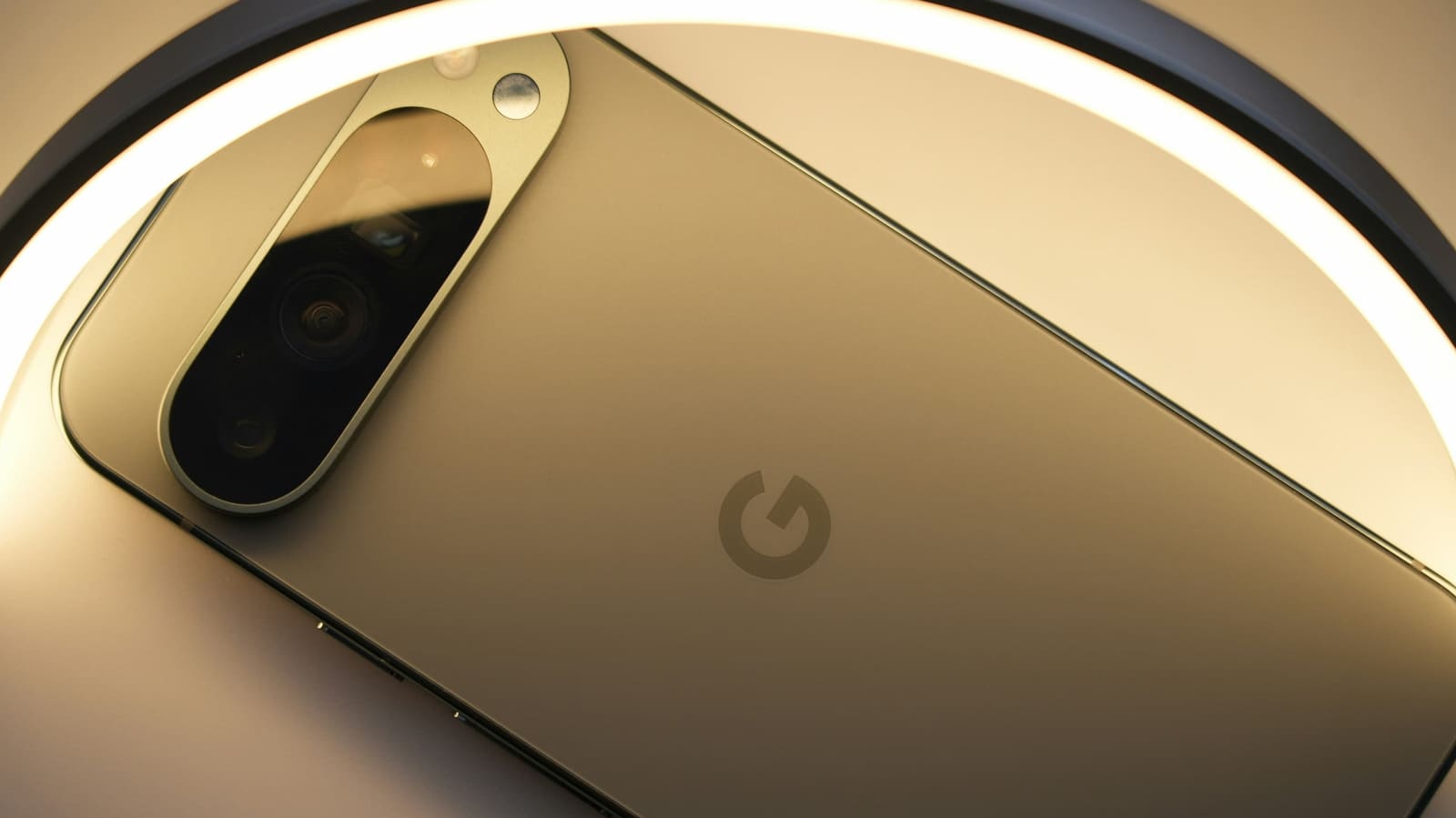
One detail already teased by Google itself is a "colorful indicator" on the rear of the Pixel 11 Pro. Speculation ranges from a notification LED strip to a capacitive sensor array that changes hue based on charging state or incoming alerts. Whatever the implementation, it represents a rare instance of Google telegraphing a hardware surprise before launch day, suggesting the feature is either technically impressive or visually striking enough to anchor early marketing.
New colorways are also expected. The Pixel 10 series leaned into muted, professional tones; insiders suggest this generation will swing back toward bolder, more saturated finishes to differentiate the devices on retail shelves and in social-media posts, where color has proven to be a surprisingly effective organic marketing lever.
Pricing Pressure and the Component Cost Squeeze
The elephant in the room is pricing. Component costs have climbed across the board: OLED panels are up roughly twelve percent year-over-year, advanced packaging for chipsets has added margin pressure, and memory prices have rebounded after two years of deflation. Competitors have already moved; Samsung's Galaxy S26 series saw price increases between fifty and seventy-five dollars depending on region, and Apple is rumored to be holding firm only because of long-term supplier contracts negotiated in early 2025.
Google has historically positioned Pixel devices as premium but accessible, undercutting the iPhone on price while matching or exceeding it on computational photography. If the Pixel 11 base model crosses the threshold into flagship territory without a corresponding leap in perceived value, the company risks alienating the cost-conscious Android enthusiasts who have been its most vocal advocates. Conversely, holding the line on price could compress margins and limit the budget available for the aggressive trade-in offers and carrier subsidies that have driven Pixel market share in North America.
Beyond Phones: Smartwatch Refresh and Location Tracker Debut
A new Pixel Watch is all but confirmed. The current-generation model, launched last September, has been well-received for its Fitbit integration and Wear OS refinements, but battery life remains a sore point. If Google can push runtime past thirty-six hours in always-on mode, it would leapfrog the Apple Watch in a metric that matters deeply to international markets where charging infrastructure is less predictable.
More intriguing is the persistent rumor of a Bluetooth location tracker, Google's answer to Apple's AirTag and Samsung's Galaxy SmartTag lineup. The device would plug into the Find My Device network that Google revamped earlier this year, leveraging the install base of more than three billion active Android devices to crowdsource location data. Privacy safeguards will be under intense scrutiny; Apple faced regulatory and advocacy pushback over stalking concerns, and Google will need to demonstrate that its implementation includes robust anti-abuse mechanisms from day one.
Android XR: A Wildcard Worth Watching
There is an outside chance Google will preview hardware or partnerships related to Android XR, the extended-reality platform the company has been developing in collaboration with Samsung and Qualcomm. The initiative was announced in late 2024 but has been conspicuously quiet since, with only a developer SDK released in March. If Google uses the Pixel event to showcase a reference headset or AR glasses prototype, it would signal that the company sees consumer XR as near-term viable rather than a multi-year research bet.
That said, the Pixel event has traditionally stayed tightly focused on shipping products. Any XR reveal would likely be a teaser, a "one more thing" moment designed to generate buzz without committing to firm launch windows or pricing. The risk of overshadowing the Pixel 11 itself is real, and Google's hardware division has learned painful lessons about letting ambitious moonshots dilute the narrative around bread-and-butter revenue drivers.
What This Event Means for Google's Hardware Ambitions
Google's hardware revenue remains a fraction of its advertising empire, but the strategic importance of owning the end-to-end Android experience has never been clearer. With generative AI features now baked into every layer of the operating system, from on-device summarization to real-time translation, the Pixel line serves as both proof of concept and reference implementation for what Android can achieve when software and silicon are co-designed.
The August 12 event will reveal whether Google believes the market will bear higher prices in exchange for deeper integration, or whether the company will absorb cost increases to maintain its foothold. Either way, the decisions made for this generation will echo across the Android ecosystem, influencing how Samsung, Xiaomi, and a dozen other OEMs position their own flagship devices in the months ahead.