Framework's July BIOS Update Is Locking Out Ryzen 7040 Laptop Owners
A firmware release for AMD-powered Framework Laptop 13 units has left some machines unbootable, exposing friction between modular hardware ideals and real-world support constraints.
When Modularity Meets Firmware Risk
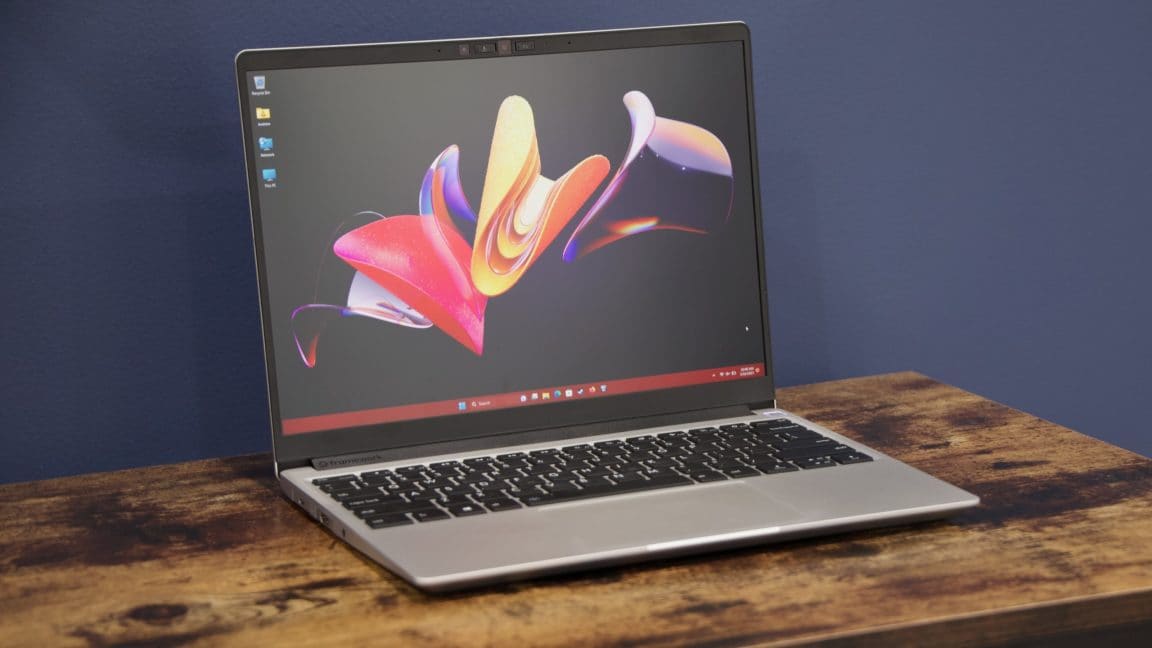
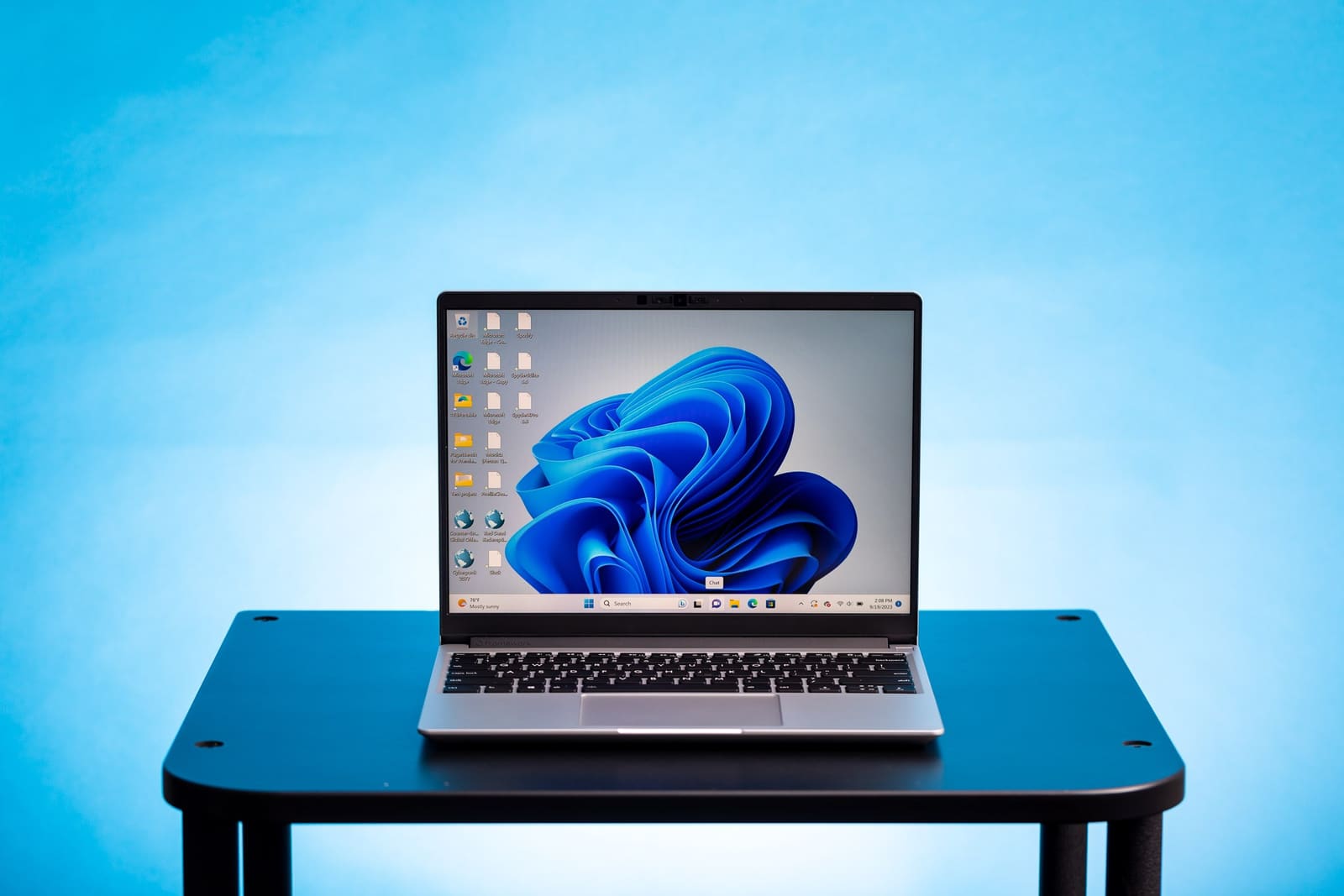
Framework Laptop 13 users running AMD Ryzen 7040-series processors are confronting a painful edge case in the modular-PC promise: a July firmware update that leaves machines stuck mid-flash, unable to boot Windows or Linux. BIOS version 3.20, still downloadable from Framework's support pages at press time, has triggered reports of hung update screens and unresponsive mainboards across community forums.
At DailyTechWire, we've tracked the rise of user-serviceable laptop designs as a counterweight to soldered, sealed enclosures. Framework's swappable mainboard architecture was supposed to insulate buyers from obsolescence. Yet the current episode underscores how firmware - traditionally the least transparent layer of the stack - can undermine that modularity when an update goes sideways.
The Failure Pattern
Affected owners describe a consistent sequence: initiate the 3.20 update through Framework's installer, watch the progress bar freeze partway through, then find the laptop unresponsive to power cycles or recovery attempts. Because the BIOS chip becomes inaccessible mid-write, standard rollback methods - bootable USB sticks, hardware jumpers - offer no remedy. The mainboard is effectively inert.
Framework has confirmed it will ship replacement mainboards to customers still covered by the standard one-year warranty. For those beyond that window, however, the company is directing users toward purchasing a new mainboard outright. Given that a Ryzen 7040-series board retails in the $400-$500 range depending on SKU, the out-of-pocket cost approaches half the price of a new entry-level unit.
A Warranty Window That Feels Narrow
The tension lies in timing. Framework released the Ryzen 7040 variant of the Laptop 13 in mid-2023, meaning early adopters who bought at launch are now outside the twelve-month coverage period. Many of those buyers were drawn precisely by the repairability narrative - an expectation that component-level failures would be cheap to remedy through self-service parts.
A bricked BIOS chip, though, sits in a different category. Unlike a worn battery or cracked display bezel, firmware corruption typically requires manufacturer intervention: either a pre-programmed replacement chip or specialized reflash equipment that few end users possess. Framework's modular design makes swapping the board mechanically trivial, but the economic burden remains if the failure falls outside warranty.
Industry practice varies. Larger OEMs often extend BIOS-update liability through informal goodwill replacements when a vendor-supplied update causes the fault, even beyond the stated warranty period. Smaller operations with tighter margins - Framework included - face harder trade-offs between customer satisfaction and balance-sheet exposure.
Why Firmware Updates Still Break Hardware
BIOS and UEFI updates occupy a precarious position in the software stack. They run before the operating system loads, lack the rollback safeguards of OS-level package managers, and interact directly with voltage regulators, memory training routines, and power sequencing. A timing glitch, an unexpected hardware revision in the field, or a premature reboot can leave the firmware partition half-written and unrecoverable.
Framework's 3.20 release notes, visible on the company's support portal, list improvements to USB-C power delivery negotiation and tweaks for certain NVMe drive compatibility. Routine maintenance, in other words. Yet even point releases carry risk when flashed to diverse configurations - different RAM brands, third-party SSDs, varying thermal states during the update process.
The fact that the update remains available for download suggests Framework has not yet identified which specific hardware or environmental conditions trigger the brick. Pulling the file entirely would protect new flashers but leave existing users without a clear remediation path or root-cause explanation.
The Modular Promise Under Stress
Framework's pitch has always centered on ownership: buy once, upgrade the mainboard when a new CPU generation arrives, replace the battery when it degrades, swap ports as standards evolve. The model works elegantly for mechanical wear and planned obsolescence. It works less well when the failure mode is a corrupted firmware blob that only the vendor can rectify.
Observers in the right-to-repair community have pointed out the irony. A laptop designed to be endlessly serviceable still depends on a proprietary BIOS binary and a vendor-controlled update channel. Open-source firmware projects like coreboot have made inroads on older Framework models, but AMD's Platform Security Processor and memory initialization code remain closed, limiting what the community can patch or recover independently.
What Happens Next
Framework has not issued a public recall or formal advisory beyond responses in forum threads. The company's support team is handling cases individually, which works at small scale but risks inconsistent outcomes as the volume grows. Users within warranty receive free replacements; those outside do not. No middle ground - extended courtesy coverage, discounted boards, or a credit toward a newer mainboard - has been announced.
For prospective buyers, the incident is a reminder that modularity is only one axis of longevity. Firmware quality, warranty length, and post-sale support responsiveness matter just as much as the presence of Torx screws and QR-coded replacement guides. A laptop you can open is still a laptop you might not be able to fix if the vendor's update server hands you a faulty binary.
The broader question facing Framework and its peers in the repairable-hardware space is whether a one-year warranty is sufficient when the product's core value proposition is multi-year ownership. Traditional consumer electronics assume replacement cycles of two to three years; Framework assumes five or more. Aligning support windows with that longer horizon may prove as important as the hinge design or the USB-C expansion card catalog.
In the meantime, Ryzen 7040 owners eyeing that 3.20 update notification would be wise to wait. The firmware is still live, the failure mechanism is still unexplained, and the cost of guessing wrong is a $450 mainboard.