Founder Steps Down as Mobileye Pivots to Robotaxis and Humanoids
After nearly thirty years, Amnon Shashua is leaving the CEO role at the autonomous driving chipmaker as it expands beyond automotive suppliers into new robotics frontiers
A Transition at the Helm
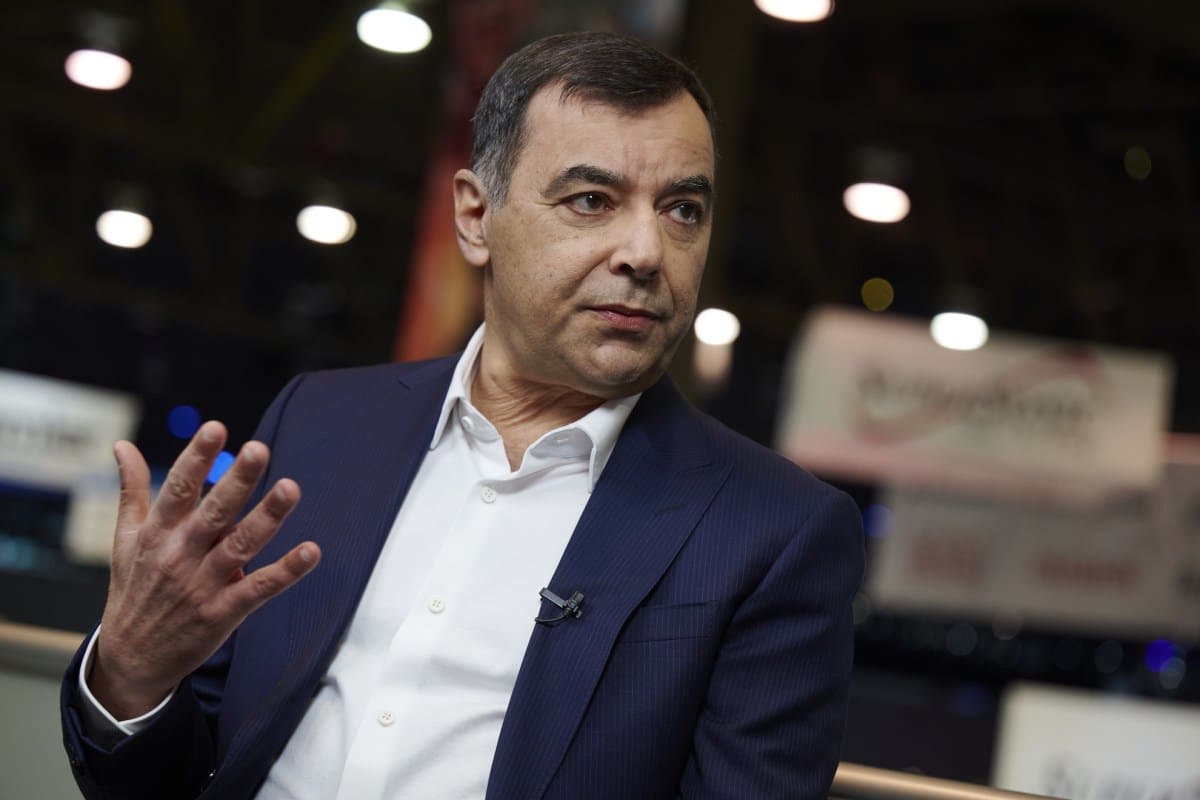
Amnon Shashua, who founded Mobileye and steered it through multiple transformations over nearly three decades, is stepping down from the CEO position. The transition comes at a pivotal moment: the Jerusalem-based company is no longer content selling computer vision chips to automakers and is instead launching its own robotaxi service while expanding into humanoid robotics.
Shashua will remain in the top role until a successor is hired, according to a regulatory filing. The timing underscores a broader shift across the autonomous vehicle industry, where component suppliers are increasingly competing with their own customers by building end-to-end systems and consumer-facing services.
From Academic Research to Automotive Mainstay
Mobileye's trajectory began with Shashua's computer vision research at Hebrew University in Israel. The company built its reputation on chips that power advanced driver-assistance systems, the cameras and sensors that enable lane-keeping, automatic emergency braking, and adaptive cruise control in millions of vehicles worldwide.
The business model was straightforward: sell silicon and software to tier-one suppliers and automakers. But that model has evolved. Mobileye now develops complete autonomous driving stacks, which it supplies to Volkswagen and MOIA, the German automaker's ride-hailing unit. The company has moved from component vendor to systems integrator, a shift that requires different engineering resources, customer relationships, and market positioning.
Mobileye's ownership structure has been equally dynamic. After what was Israel's largest initial public offering, Intel acquired the company in 2017 for $15.3 billion. Five years later, Intel spun it back out as a publicly traded entity, though the chipmaker retains majority ownership. That financial maneuvering reflects broader uncertainty about the timeline and profitability of autonomous driving technology.
Robotaxis and Humanoids
In January, Mobileye acquired Mentee Robotics, a humanoid robotics startup also founded by Shashua, for $900 million. Shashua framed the deal as "Mobileye 3.0," positioning the company's expertise in real-time perception and decision-making as transferable to bipedal robots navigating indoor environments.
The acquisition raises questions about focus and capital allocation. Humanoid robotics remains a nascent field with uncertain commercial timelines, and Mobileye is competing against well-funded rivals like Tesla, Figure, and a cohort of Chinese startups. At DailyTechWire, we've tracked the robotics wave closely: the technology shares DNA with autonomous vehicles, but the use cases, regulatory environment, and customer expectations are fundamentally different.
In June, Mobileye announced plans to launch its own robotaxi service in an unspecified U.S. city in 2027. The move puts the company in direct competition with Waymo, Cruise (despite its operational pause), Zoox, and a growing list of Chinese operators expanding internationally. Operating a mobility service requires expertise in fleet management, insurance, municipal permitting, and customer support, capabilities that sit outside Mobileye's traditional engineering competencies.
The robotaxi decision also strains relationships with automaker customers, many of whom are developing their own autonomous ride-hailing ambitions. Volkswagen, a key Mobileye partner, has invested heavily in MOIA and views autonomous mobility as a strategic priority. Supplying technology to a partner while competing in the same service layer is a delicate balance.
The Leadership Question
Shashua's departure raises the question of what kind of leader Mobileye needs next. The founder brought deep technical credibility and long-standing relationships with automotive executives. His successor will inherit a company that is simultaneously a chip designer, a software platform provider, a robotaxi operator, and a robotics hardware venture.
Few executives have experience across all those domains. The automotive industry tends to promote from within or recruit from adjacent suppliers, but Mobileye's new ambitions may require a leader with consumer tech or mobility service experience. The search will signal whether the board sees the company's future primarily in hardware and licensing, or in operating its own fleets and robots.
The regulatory filing does not specify a timeline for the search or whether Shashua will remain on the board. His continued involvement, even in a non-executive capacity, could provide continuity or create friction depending on how hands-on he chooses to be.
Margin Pressure and Market Realities
Mobileye's pivot comes amid margin pressure across the autonomous vehicle sector. Waymo remains unprofitable despite years of commercial operation in San Francisco and Phoenix. Cruise's 2023 safety incident and subsequent operational freeze has dampened investor enthusiasm. Chinese competitors like Baidu's Apollo Go are scaling rapidly in domestic markets but face export restrictions and geopolitical headwinds when expanding abroad.
For Mobileye, the economics of operating a robotaxi service are materially different from selling chips. Hardware sales generate revenue at the point of manufacturing; mobility services require upfront capital expenditure on vehicles, sensors, and compute, with revenue accruing slowly over time as rides accumulate. The company will need to demonstrate unit economics and a path to positive cash flow, metrics that Wall Street will scrutinize closely.
The humanoid robotics bet is even more speculative. While companies like Boston Dynamics have proven technical feasibility, commercial deployments remain limited to warehouses and controlled environments. Mobileye's vision of general-purpose robots that navigate dynamic spaces and perform diverse tasks is years away from market readiness, if it arrives at all.
What Comes Next
Shashua's exit closes a chapter defined by technical innovation and strategic agility. Mobileye navigated the shift from pure computer vision to sensor fusion, survived the consolidation wave that saw Intel acquire and then spin it back out, and positioned itself at the intersection of automotive and robotics.
But the next chapter demands execution in domains where Mobileye has little track record. Launching a robotaxi service in 2027 means the company has less than two years to secure permits, deploy vehicles, build operations infrastructure, and convince riders to trust a new brand. Scaling Mentee Robotics from prototype to production requires manufacturing partnerships, supply chain coordination, and customer discovery in markets that are still forming.
The CEO search will reveal how Mobileye's board weighs those priorities. A hire from the automotive world would signal confidence in the core chip and software business. A leader from mobility or consumer tech would suggest the company is serious about becoming an operator, not just a supplier. Either choice carries risk. What's clear is that the company Shashua leaves behind looks very different from the one he founded, and the path ahead is far less certain than the rear-view mirror.