The Cybersecurity Landscape Has Shifted From Nuisance to National Threat
Data breaches, ransomware, and state-backed attacks are reshaping how governments and companies defend critical infrastructure across Asia and beyond.
When Infrastructure Becomes a Target
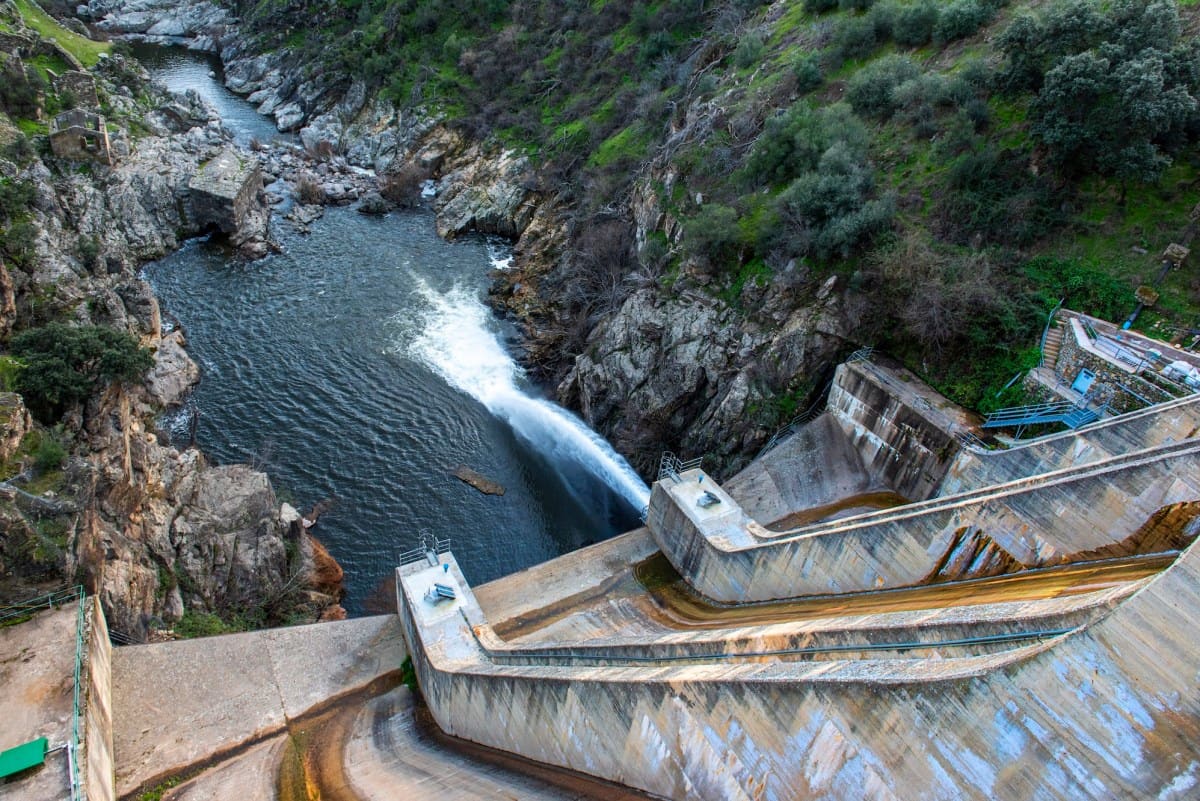
Water spilled from a Norwegian dam in uncontrolled volumes. Polish energy systems faced destructive malware twice in six months. Swedish thermal plants went offline. These incidents share a common thread: cyberattacks aimed not at stealing data, but at causing physical disruption to civilian infrastructure.
The attacks attributed to Russian operators mark a shift in hybrid warfare tactics. Rather than targeting military networks or government databases, adversaries are probing energy grids, water treatment facilities, and power distribution systems. Poland has faced repeated intrusions into both its electrical grid and municipal water plants, demonstrating persistence in targeting critical services that populations depend on daily.
At DailyTechWire, we've tracked similar patterns emerging across Southeast Asia, where aging infrastructure in countries like Indonesia and the Philippines presents soft targets for state-backed groups testing capabilities. The concern isn't just disruption, it's the precedent being set for what constitutes fair game in digital conflict.
The Social Security Database Mystery
A year after operatives from the Department of Government Efficiency entered federal agencies, questions remain about what happened to Social Security Administration data during that period. Whistleblower allegations describe a live database copy uploaded to an unsecured third-party server, potentially exposing Social Security numbers and personal information for most living Americans.
Court documents reveal the Social Security Administration cannot confirm exactly what resided on that server. According to filings, DOGE signed an agreement with an external political advocacy group ostensibly to investigate voter fraud claims. Two senior House Democrats investigating the matter have called the potential exposure "the largest data breach in our nation's history."
The incident highlights a governance gap that extends beyond U.S. borders. Across Asia, governments are centralizing citizen databases for digital ID systems, from India's Aadhaar to Singapore's National Digital Identity platform. The risk calculus changes when administrative transitions or political pressures create opportunities for data to move outside established security perimeters.
Iran Pivots From Espionage to Destruction
When hackers linked to Iranian intelligence compromised medical technology company Stryker in March, they didn't exfiltrate data or establish persistence for espionage. Instead, they remotely wiped tens of thousands of employee devices in a coordinated strike that paralyzed operations for days.
The U.S. government attributed the attack to an Iranian intelligence unit, marking a tactical evolution from Tehran's typical hack-and-leak operations toward destructive campaigns. The timing coincided with escalating tensions in the Middle East, suggesting cyber operations are increasingly used for retaliation rather than intelligence gathering.
Stryker reported material financial impact in its first-quarter earnings following the incident. For medical device manufacturers operating across Asia-Pacific markets, the attack demonstrates how geopolitical conflicts can manifest as operational disruptions regardless of geographic distance from the conflict zone.
Iranian operators have also been flagged for targeting U.S. water utilities, which often lack robust cybersecurity controls. Privately owned infrastructure presents an asymmetric vulnerability, one that regulators in countries like Japan and South Korea are now scrutinizing as they update critical infrastructure protection frameworks.
The Economics of Paying Ransoms
Market research firm Klue faced a choice familiar to many breach victims: negotiate with hackers or risk public exposure. The company chose negotiation. After the extortion group Icarus stole credentials that had been active since 2022, they gained access to customer cloud environments and extracted data belonging to nearly 200 companies.
Klue disclosed reaching an agreement with the hackers, a phrasing that strongly suggests ransom payment despite government guidance discouraging such transactions. The breach exposed customers including cybersecurity firms like Jamf, HackerOne, and LastPass, creating a cascade of downstream compromises.
The hackers added an unusual wrinkle: they warned victim companies that another group also held portions of the stolen data, advising them not to pay that second group. This fragmentation of stolen data across multiple threat actors complicates response strategies and undermines any assurance that payment will contain the damage.
Education technology giant Instructure followed a similar path after hackers from the ShinyHunters group breached its Canvas learning management system, stealing records for over 30 million students and staff. When Instructure declined to pay initially, the hackers returned during finals week to deface school login screens, disrupting exams nationwide. Instructure eventually paid despite FBI recommendations to the contrary.
The ShinyHunters have refined voice phishing techniques to trick employees into providing system access, posing as IT support or forgetful staff members. Their campaigns have compromised internet provider Charter, cruise operator Carnival, and numerous higher education institutions. The success rate suggests that technical defenses alone cannot stop social engineering attacks that exploit human trust.
Supply Chain Compromises Ripple Through Big Tech
Open source software has become a primary attack vector for reaching high-value targets. Throughout 2026, developers behind widely used security tools and projects have found their accounts compromised, their code repositories backdoored, and their distribution channels weaponized.
Aqua Security's Trivy scanner, password manager Bitwarden, and code analysis platform Checkmarx all suffered compromises this year. Anyone who installed affected versions or received automatic updates downloaded malware designed to harvest credentials and authentication tokens from developer machines.
These stolen credentials enabled lateral movement into downstream targets. OpenAI and web hosting company Vercel both experienced security incidents traced back to compromised open source dependencies. The attack pattern exploits the trust model underlying modern software development, where projects routinely incorporate hundreds of external libraries and tools.
For Asia's growing developer ecosystem, particularly in Vietnam, India, and China where open source contribution rates are climbing, the supply chain threat demands new verification processes. Maintainers of popular projects face resource constraints that make continuous security auditing difficult, creating persistent vulnerabilities in the foundation of commercial software.
When AI Chatbots Become Security Holes
Meta's AI chatbot became an unexpected account hijacking tool in early 2026. Attackers discovered they could convince the chatbot to send password reset codes to arbitrary email addresses by claiming to be locked-out account owners. The exploit persisted for months before becoming public knowledge, affecting tens of thousands of Instagram accounts.
The incident reveals risks inherent in deploying AI assistants with elevated system privileges. The chatbot had sufficient access to trigger password resets but lacked the judgment to verify legitimate requests from social engineering attempts. Meta's rush to integrate AI across its platforms created a vulnerability that traditional customer service workflows with human verification would likely have caught.
Similar concerns apply to AI coding assistants and automated DevOps tools now being adopted across Asian tech companies. When AI agents gain access to production systems or sensitive data, their susceptibility to prompt injection and manipulation creates new attack surfaces that security teams are still learning to defend.
The FBI's Surveillance Apparatus Gets Breached
The Federal Bureau of Investigation declared a major cyber incident in April after discovering that one of its surveillance systems had been compromised. The unclassified network held information about wiretap targets and communication intercepts, including phone numbers under federal investigation.
Chinese intelligence operatives were blamed for the breach, which met the legal threshold for causing "demonstrable harm" to national security by potentially exposing active surveillance targets. The incident underscores that even agencies tasked with cybersecurity oversight struggle to secure their own networks against determined nation-state adversaries.
The breach raises questions about the security architecture surrounding signals intelligence operations globally. Countries across Asia-Pacific are expanding digital surveillance capabilities, often using commercial vendors for data storage and analysis platforms. Each integration point between classified operations and commercial infrastructure presents compromise opportunities.
Hasbro's Extended Downtime
When toymaker Hasbro discovered hackers in its systems in late March, the company went largely offline for weeks. Its website remained unavailable, customer service stopped, and normal business operations ground to a halt while incident responders worked to contain the breach.
The 103-year-old company behind Transformers, Peppa Pig, and Dungeons & Dragons has disclosed little about what data was stolen or whether ransom was paid. By mid-May, Hasbro confirmed the hackers had been ejected and recovery was underway, but the extended outage will likely show up in delayed financial results.
The incident illustrates how unprepared many traditional companies remain for cyber incidents despite years of escalating threats. Manufacturing and consumer goods firms often treat cybersecurity as an IT problem rather than an operational risk, leaving them vulnerable to prolonged disruption when attacks succeed.
Identity Documents Spilling Onto the Open Web
Over two million passport and driver's license scans have been exposed through poorly secured systems in recent months. A hotel check-in platform, money transfer application, prison payphone service, and U.K. visa processing system all left identity documents accessible without authentication.
These exposures stem from basic configuration errors, not sophisticated attacks. Services that require identity verification for compliance are collecting sensitive documents without implementing adequate security controls. The exposed scans can be used for identity theft, account takeovers, and fraudulent transactions.
The problem is accelerating as more platforms implement "know your customer" checks and governments push age verification requirements. Each new service demanding identity documents creates another potential exposure point. Southeast Asian fintech companies, which have rapidly scaled KYC processes to meet regulatory demands, face particular scrutiny over how identity data is stored and protected.
What the Second Half Holds
The attacks catalogued so far this year point toward an environment where digital security failures carry immediate physical and financial consequences. Water systems go offline, medical device companies lose weeks of productivity, and millions of identity documents circulate in criminal markets.
For Asia's technology sector, the lessons are clear. Infrastructure built rapidly to support digital transformation often lacks security foundations that can withstand state-backed attackers or organized cybercrime. The supply chain dependencies that enable fast development also create vectors for compromise that can ripple across entire industries.
Governments across the region are updating cybersecurity frameworks, but regulation lags behind attacker capabilities. The shift from data theft to destructive attacks changes the risk profile for critical infrastructure operators, who can no longer treat breaches as merely reputational problems.
As we move through the remainder of 2026, the question is not whether attacks will continue but whether defenders can build resilience fast enough to prevent cascading failures when the next major compromise occurs.