Apple Rethinks Hardware Economics With Lease-First Device Program
Cupertino's shift to lease-to-own for iPhones, Macs, and iPads reflects both supply-chain pressure and the subscription model's steady march into premium hardware.
The Shift From Ownership to Access
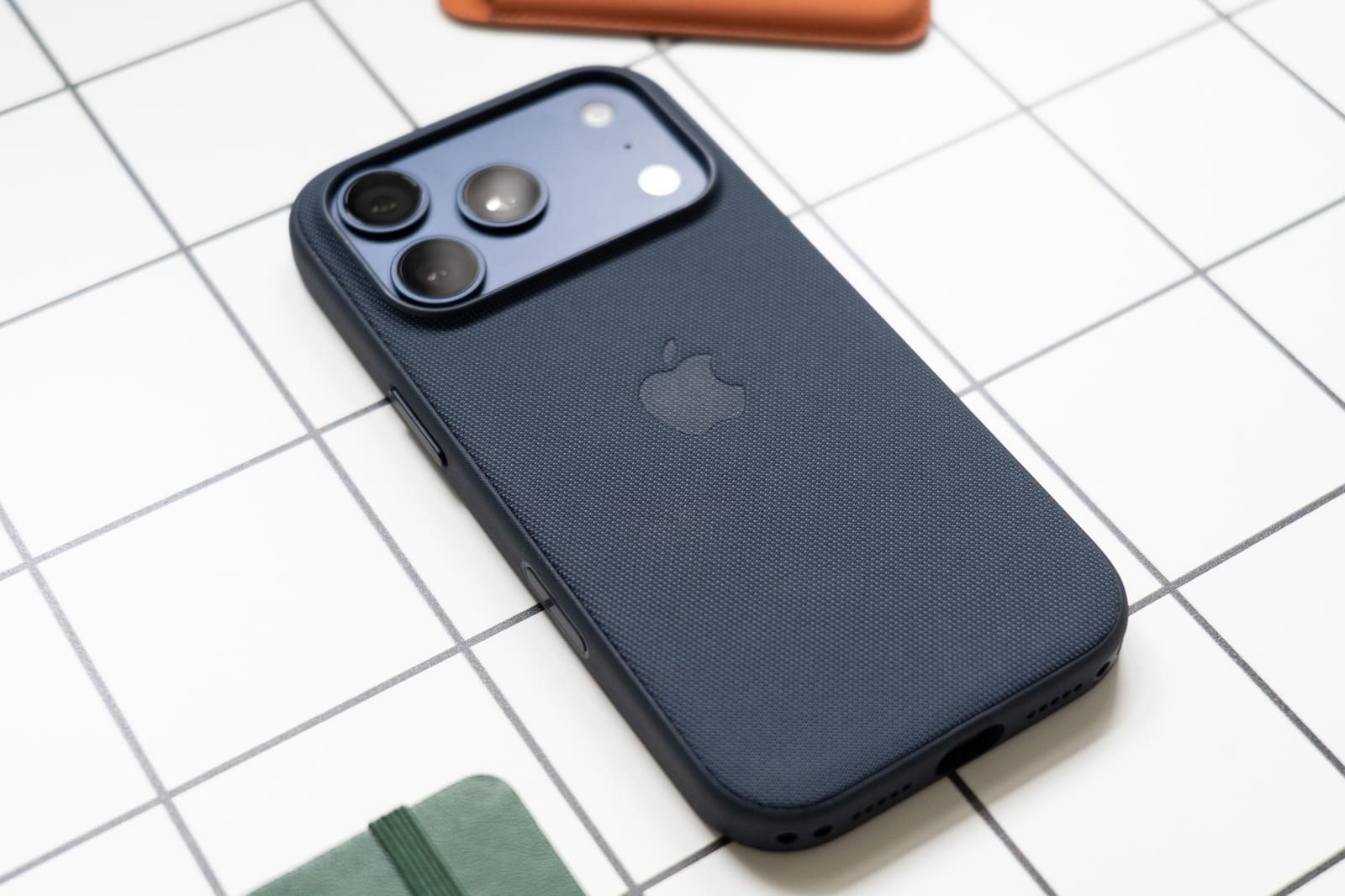
Apple is preparing to introduce a lease-to-own program that will cover iPhones, Macs, iPads, and Apple Watches, a move that reframes how millions of users acquire and refresh their devices. Scheduled to roll out on July 28, the initiative will replace the company's existing iPhone-only installment plan with a broader, car-lease-style offering that lets customers upgrade mid-cycle, return hardware at term end, or buy out the device outright.
The timing is notable. Component and memory shortages have nudged retail prices higher across the industry, and Apple's product portfolio now spans price bands that increasingly test consumer willingness to pay upfront. By embedding optionality into the purchase itself, the company addresses both affordability perception and the upgrade treadmill that underpins its services and accessory ecosystem.
Klarna as Financial Backbone
Apple has chosen Klarna, the Swedish buy-now-pay-later platform, to underwrite the program. Enrollment will require a soft credit inquiry, a lighter friction point than traditional installment loans but enough to filter eligibility. The partnership signals Apple's intent to keep device acquisition frictionless while outsourcing credit risk and regulatory overhead to a fintech partner already familiar with consumer lending at scale.
Klarna's infrastructure is built for recurring payments and flexible term structures, which aligns with the lease model's need for monthly billing, early-upgrade triggers, and residual-value calculations. For Apple, the arrangement preserves balance-sheet flexibility; the devices remain on Apple's books as inventory cycled through a lease portfolio rather than sold outright, smoothing revenue recognition and creating a steady annuity stream.
Broader Device Coverage, Unified Upgrade Logic
The new program will extend beyond the iPhone Upgrade Program's narrow scope. Macs and iPads, historically sold through outright purchase or third-party financing, will now sit inside the same lease framework. That unification matters for users who refresh multiple devices on overlapping cycles: a single credit line, a single upgrade calendar, and a single return-or-buyout decision at lease maturity.
Early-upgrade provisions mirror the car-lease playbook. After a defined period, likely twelve to eighteen months, lessees can trade in their current device and roll into a new lease, resetting the clock. Apple recaptures the returned hardware, refurbishes it, and channels it into certified pre-owned inventory or emerging-market distribution, extending the revenue tail of each unit.
Supply-Chain Pressure and Margin Defense
At DailyTechWire, we've tracked how DRAM and NAND flash shortages have tightened since late 2025, pushing bill-of-materials costs higher for every tier of consumer electronics. Apple has historically absorbed some of that pressure to defend market share, but lease pricing offers a structural hedge: monthly payments obscure absolute device cost, and upgrade churn shortens the effective ownership window, reducing the sticker-shock of a $1,499 MacBook Air or a $1,799 iPad Pro.
Lease models also let Apple capture more lifetime value per customer. A user who upgrades every eighteen months generates three device cycles over four and a half years, compared to two cycles under a traditional two-year replacement cadence. Each cycle is an opportunity to upsell storage, AppleCare+, and accessory bundles, and to deepen lock-in to iCloud, Apple Music, and other recurring services.
Implications for Retail and Channel Partners
The shift to lease-first distribution will ripple through Apple's retail and carrier partnerships. Carriers have long subsidized iPhones through installment plans tied to service contracts, a model that kept devices affordable and sustained network switching costs. Apple Upgrade, by contrast, decouples device financing from carrier billing, giving Apple direct control over the customer relationship and the upgrade trigger.
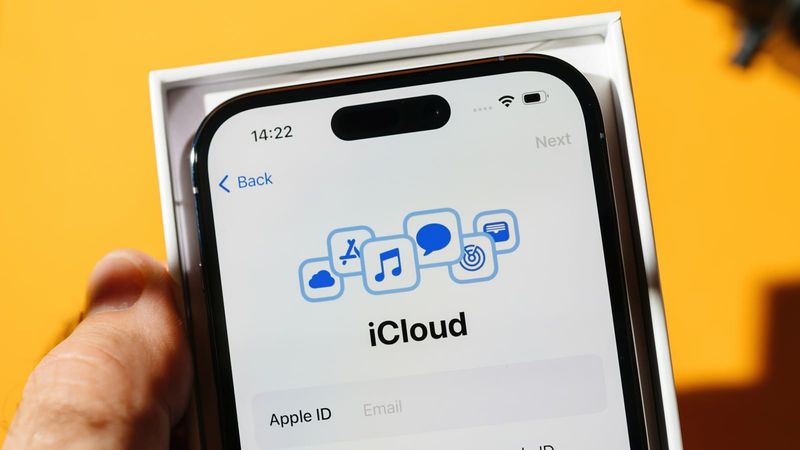
Retail partners, including Best Buy and third-party resellers, may see reduced foot traffic if lease enrollment happens primarily through Apple's own channels. The program's soft-credit requirement and integration with Apple ID suggest a digital-first sign-up flow, likely embedded in the Apple Store app and website, with in-store support for edge cases. That centralizes data capture and customer touchpoints, reinforcing Apple's platform advantage.
The Subscription Creep Into Hardware
Apple Upgrade is the latest example of subscription logic migrating from software and media into physical goods. Peloton, Tesla, and Sonos have all experimented with lease or subscription tiers for hardware, betting that recurring revenue and predictable churn are more valuable than one-time sales. For Apple, the model aligns with its stated ambition to grow services revenue, which now accounts for more than a quarter of total sales and carries higher margins than hardware.
Leasing also dampens the impact of elongated device lifecycles. iPhones and Macs are lasting longer, a testament to Apple's silicon performance and software support, but a headwind for unit growth. Lease terms that encourage or even require upgrades every twelve to twenty-four months counteract that trend, keeping the installed base in motion and sustaining the velocity of new-feature adoption.
Open Questions on Residual Value and Returns
The program's success hinges on Apple's ability to price residual value accurately. If too many lessees choose to return devices rather than buy them out, Apple will need robust reverse logistics and refurbishment capacity to process and resell the flood of used hardware. If residuals are set too high, monthly lease payments lose their affordability advantage, and the program stalls.
Return rates will also depend on how aggressively Apple markets mid-cycle upgrades. A user who sees a compelling new feature, a camera sensor leap, or a chip generation jump, may be more inclined to trade in early. But if hardware improvements plateau, as they have in recent iPhone cycles, lease holders may simply ride out the term and walk away, leaving Apple with older inventory and thinner margins on resale.
Forward Look
Apple Upgrade represents a structural bet that the next decade of consumer hardware will be defined by access rather than ownership, by monthly commitments rather than upfront capital, and by platform lock-in rather than device independence. It is a response to supply-chain realities, but also a strategic lever to deepen customer lifetime value and insulate revenue from the cyclical swings of product launches.
Whether the program reshapes how users relate to their devices, or simply repackages existing financing into a new wrapper, will depend on pricing, upgrade incentives, and the perceived fairness of residual buyouts. For now, it signals that even in premium hardware, the subscription model has arrived, and Apple intends to lead rather than follow.