Apple's Financing Mechanism Now Targets App Access
iOS 27 beta reveals infrastructure that could lock down third-party software when device payments fall behind, signaling tighter control over hardware-as-service models.
The Infrastructure Behind Restricted Mode
Developers examining iOS 27 beta builds have uncovered code that would enable Apple to place financed iPhones into a "Restricted Mode" when payment obligations go unmet. The mechanism relies on a newly introduced "App Managed Features" framework that continuously verifies the financial status of devices enrolled in lease or installment programs.
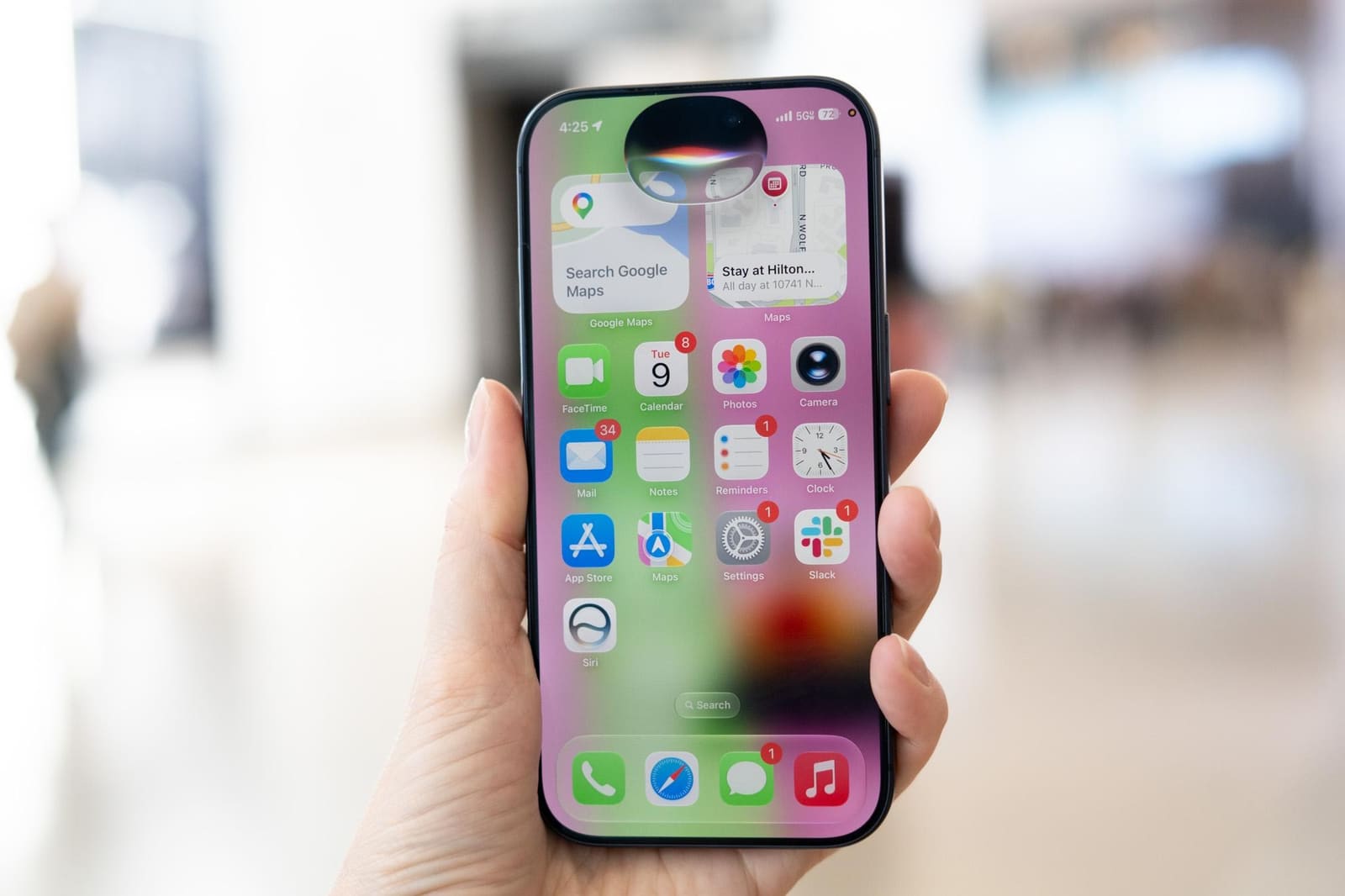
Under this system, iPhones flagged for payment issues would retain access only to core utilities: the Phone app, Settings, and the App Store. Third-party applications, productivity tools, social media platforms, and entertainment services would become inaccessible until the account returns to good standing. The framework appears designed to communicate directly with financing partner applications, creating a persistent verification loop that monitors device eligibility in real time.
At DailyTechWire, we've tracked the evolution of device financing models across Asia and North America for the past three years. What distinguishes this implementation is its depth of integration - Apple is building enforcement capabilities directly into the operating system layer, not relying on carrier-level locks or third-party management software.
Timing Aligns With Lease Program Expansion
The code discovery follows Apple's reported plans to introduce an "Apple Upgrade" program structured around device leasing rather than outright purchase. This model would let consumers cycle through new hardware on a subscription-like basis, paying monthly fees instead of absorbing the full cost upfront or committing to traditional two-year installment contracts.
Lease programs have gained traction in markets where smartphone prices now routinely exceed $1,000. Samsung, Xiaomi, and other manufacturers have experimented with similar arrangements in India, Southeast Asia, and Latin America, often partnering with regional finance companies to manage credit risk. Apple's entry into this space represents a shift from its historically purchase-focused retail strategy, particularly in regions where carrier subsidies have diminished or never existed at scale.
The Restricted Mode infrastructure suggests Apple intends to self-manage credit enforcement rather than outsource it to banks or third-party lessors. By embedding payment verification into iOS itself, the company gains immediate technical leverage over devices that remain, legally speaking, Apple property until the lease term concludes or a buyout option is exercised.
Technical and Policy Implications
The App Managed Features system introduces a new control surface in iOS architecture. Until now, Apple's device locks have primarily addressed theft prevention (Activation Lock) or enterprise device management (MDM profiles). Extending lockdown capabilities to financing arrangements blurs the boundary between security tooling and commercial enforcement.
From a technical standpoint, the system likely queries a remote API at regular intervals, checking device serial numbers or Apple IDs against a database of account statuses. If a payment failure is detected, the OS receives a flag that triggers the Restricted Mode profile. This architecture requires persistent network connectivity - devices used offline for extended periods might evade the lock temporarily, though any attempt to connect to Apple services would likely sync the restriction immediately.
Policy questions emerge around transparency and user notification. The beta code does not clarify whether users receive advance warning before restrictions activate, how disputes over billing errors are handled, or whether there are grace periods built into the enforcement timeline. In jurisdictions with strong consumer protection laws - such as the European Union or South Korea - regulators may require clear disclosure of these mechanisms before devices are leased, along with standardized procedures for account reinstatement.
Broader Industry Context
Apple's move fits within a larger hardware-as-service trend reshaping consumer electronics. Microsoft has piloted PC subscription models for enterprise customers; Sony and Microsoft both offer console financing with Game Pass and PlayStation Plus bundles. The smartphone industry, however, presents unique challenges: devices are deeply personal, often containing financial apps, health data, and communication tools essential to daily life.
Restricting access to these functions during payment disputes raises the stakes considerably compared to, say, pausing a video game subscription. If a user loses access to banking apps, ride-hailing services, or two-factor authentication tools due to a missed payment, the consequences extend beyond inconvenience into potential financial and safety risks.
Competitors will watch Apple's implementation closely. If Restricted Mode proves effective at reducing default rates without triggering regulatory backlash or consumer outcry, other manufacturers may adopt similar frameworks. Conversely, any public relations missteps - such as high-profile cases of users locked out during billing disputes or technical glitches - could set the model back across the industry.
What Remains Uncertain
Several aspects of the system remain opaque based on the beta code alone. It is unclear whether Restricted Mode applies universally to all financed devices or only those enrolled in specific lease programs. The code also does not reveal whether Apple will extend this capability to third-party financing partners - such as banks offering iPhone installment plans - or reserve it exclusively for its own programs.
Another open question: how Restricted Mode interacts with family sharing, corporate accounts, or devices purchased as gifts but financed by another party. If a parent finances a phone for a child and misses a payment, does the child's device lock? If an employer leases devices for staff, can individual employees be penalized for company-level payment issues? These edge cases will likely shape the final implementation and the legal frameworks that emerge around it.
The beta code is not final, and Apple has not publicly confirmed plans to deploy Restricted Mode in shipping software. Features discovered in beta builds are sometimes removed, modified, or delayed for years before reaching consumers. However, the presence of this infrastructure - paired with the reported lease program - suggests Apple is at minimum exploring aggressive tools to manage the financial and operational risks of device-as-service models.
For now, the industry waits to see whether Apple proceeds with public rollout, how transparently it discloses the restrictions, and whether other manufacturers follow suit or stake out alternative positions on device control in financing arrangements.